
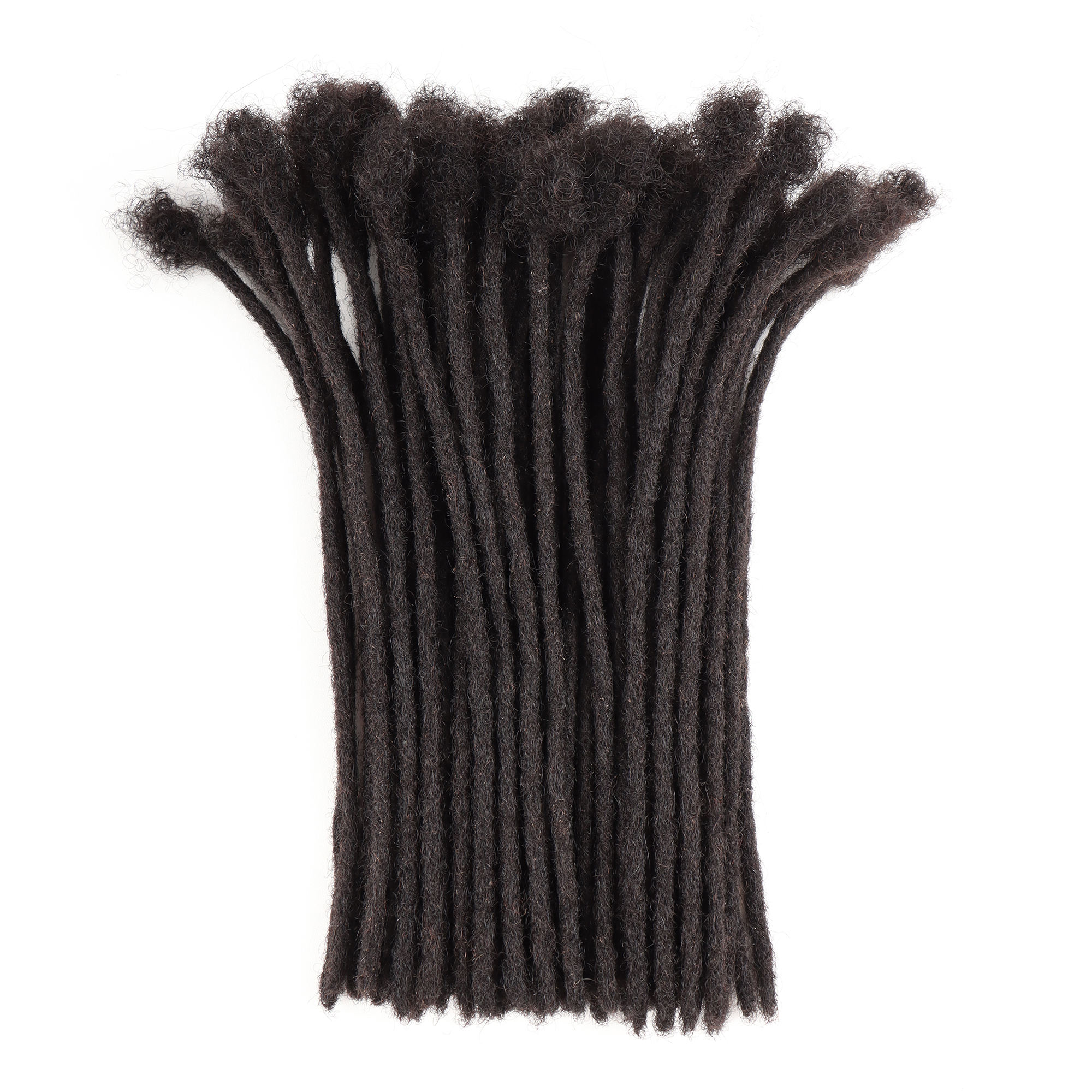
The global human hair extensions market continues to evolve at a remarkable pace, with a valuation projected to climb from roughly $5.8 billion in 2024 to well over $13 billion by 2030. For wholesalers, salon owners, distributors, and independent retailers alike, staying ahead of shifting texture preferences, pricing dynamics, and sourcing best practices is no longer a luxury — it is a competitive necessity. This in-depth report consolidates the latest market intelligence, regional demand patterns, supply chain developments, and actionable sourcing strategies to help you make confident, profitable decisions throughout 2026 and beyond.
Global Market Overview and Growth Drivers
The human hair extensions industry has posted consecutive years of double-digit growth, and 2026 is shaping up to continue that trajectory. The market, valued at approximately $5.8 billion in 2024, is on track to surpass $13 billion by 2030, translating to a compound annual growth rate of roughly 8% to 10% depending on the analyst source. Several structural forces are driving this expansion.
First, the mainstreaming of hair extensions — once a niche service reserved for special occasions — has turned wigs, bundles, and bulk hair into everyday beauty staples across multiple demographics. Second, the rise of social media beauty influencers and short-form video platforms has dramatically accelerated trend cycles, compressing the time between a texture going viral and it becoming a mass-market demand signal. Third, rising disposable income in emerging economies across Africa, Latin America, and Southeast Asia has expanded the addressable consumer base. Fourth, the natural hair movement has fueled demand for afro kinky, coily, and curly textures as consumers increasingly seek protective styling options that blend seamlessly with their own hair.
The professional segment is an equally important driver. Salons, braiding studios, and independent installers generate reliable, high-volume repeat purchasing, and they reward suppliers who can deliver consistent quality and dependable restocking. On the supply side, the Asia-Pacific region remains the dominant manufacturing and raw-material hub, while North America, Europe, and Africa represent the fastest-growing consumption markets. For wholesale buyers, the strategic takeaway is clear: the market is expanding, but so is competition, and sustainable advantage increasingly belongs to operators who can act quickly on trend intelligence while maintaining strict quality control across every order.
To summarize, the primary demand drivers reshaping the market are:
- Cultural mainstreaming: extensions are now an everyday purchase, not a special-occasion splurge.
- Influencer acceleration: social platforms compress trend cycles and create rapid demand spikes.
- Emerging-market wealth: rising incomes expand the consumer base in Africa, Latin America, and Southeast Asia.
- The natural hair movement: protective styling fuels consistent demand for coily and kinky textures.
- Professional adoption: salons and installers generate steady, high-volume repeat orders.
Trending Textures and Product Preferences in 2026
Texture preferences are shifting faster than ever, and understanding the current demand map is essential for inventory planning. Afro kinky and coily textures have seen demand growth of more than 40% year-over-year, driven by the global natural hair movement and the popularity of protective styling. Deep wave and water wave textures remain steady performers for sew-in installations, prized for their versatility and natural movement. Bone straight continues to dominate in Asian and Middle Eastern markets, where sleek, glossy finishes are the aesthetic standard. The boho trend — combining multiple textures and colors within a single installation — is emerging as a significant styling movement, particularly among younger consumers and content creators.
Length and color preferences are also evolving. Mid-length hair in the 16 to 22 inch range remains the volume workhorse for wholesale buyers, offering the broadest appeal across age groups and styling occasions. However, demand for longer 24 to 30 inch pieces is climbing steadily, especially in markets where dramatic length signals status. In color, natural black and off-black shades continue to account for the largest share of orders, but fashion colors — honey blonde, burgundy, and ombré blends — are growing as consumers experiment with low-commitment transformations.
Two structural preferences deserve particular attention. Pre-stretched hair, which has been treated to prevent shrinkage after washing, is increasingly favored for braiding applications where consistent length is critical. Pre-bleached hair, which arrives ready for coloring, reduces installation labor and simplifies the customer experience. Both represent attractive value-adds for resellers looking to differentiate their catalog and justify premium pricing.
For inventory planning, the highest-velocity items in 2026 can be summarized as:
- Top textures: afro kinky, coily, deep wave, and bone straight.
- Top lengths: 16 to 22 inches for broad appeal; 24 to 30 inches for premium markets.
- Top colors: natural black and off-black, with rising demand for honey blonde, burgundy, and ombré.
- Top value-adds: pre-stretched and pre-bleached options that reduce installation labor.
Price Trends and Supply Chain Dynamics
Cost pressures remain a central theme in 2026. Raw hair procurement costs have risen 15% to 20% year-over-year, driven by intensified competition for high-quality donor hair and growing global demand. Processing costs, by contrast, have largely stabilized as automation and improved techniques offset labor expenses. Logistics has normalized since the disruptions of the early 2020s, but shipping rates still run roughly 5% to 8% above pre-pandemic baselines, and the full cost picture — including port fees, customs, and last-mile delivery — continues to edge upward.
For wholesale buyers, the practical implication is that they should budget for annual price increases of 5% to 10% over the next three years and build that expectation into their own pricing models. Smart buyers mitigate exposure in several ways. Locking in volume commitments with trusted suppliers secures more stable unit costs. Diversifying sourcing across multiple origins reduces dependency on any single market. Ordering ahead of seasonal demand spikes avoids premium rush pricing and stockouts.
Most importantly, successful buyers evaluate the full landed cost — product price plus freight, duties, and insurance — rather than the headline unit price alone. A supplier offering a slightly lower unit price but slower shipping or higher defect rates can end up costing far more in the long run. Understanding the complete cost picture is the single most important discipline for protecting margins in the current environment.
Key cost components to model in every sourcing decision include:
- Raw material: donor hair acquisition, which has risen 15-20% year-over-year.
- Processing: cleaning, sorting, wefting, and finishing, now largely stabilized by automation.
- Logistics: freight, insurance, port fees, and last-mile delivery, still 5-8% above pre-2020 levels.
- Duties and compliance: customs classifications and import taxes that vary by destination country.
- Quality assurance: inspection and defect replacement, which protect margins over the long run.
The Rise of E-Commerce and Direct Sourcing
Traditional wholesale channels are being steadily disrupted by the rise of direct-to-consumer and B2B e-commerce platforms. Online marketplaces and direct supplier storefronts now account for more than 60% of wholesale transactions, a share that continues to grow as buyers discover the transparency and convenience of digital sourcing. This shift has compressed margins for traditional middlemen and importers, but it has simultaneously created significant opportunities for savvy buyers who can navigate direct sourcing relationships effectively.
Direct sourcing offers clear advantages: access to factory pricing without intermediary markups, greater control over specifications, and the ability to build long-term relationships with manufacturers. It also shifts more responsibility onto the buyer, who must now independently verify quality, negotiate terms, manage logistics, and resolve disputes.
Best practices for direct sourcing follow a proven sequence. Start with small sample orders before committing to bulk quantities. Verify supplier credentials, certifications, and origin documentation. Insist on clear quality specifications in writing, including grade, cuticle alignment, and weight tolerance. Use secure payment methods with buyer protection, and maintain a clear paper trail for every transaction. For those who master the process, direct sourcing can deliver cost savings of 15% to 30% relative to traditional channels — a decisive advantage in a competitive market.
The trade-offs between direct sourcing and traditional channels are worth weighing carefully:
- Direct sourcing: lower unit cost and greater control, but more responsibility for quality and logistics.
- Traditional wholesale: convenience and dispute protection, but higher prices and less specification control.
- Hybrid approach: many growing buyers combine both, using direct suppliers for core volume and intermediaries for niche or urgent needs.
Sustainability, Ethics, and Compliance
Consumer awareness around ethical sourcing is growing rapidly, and it is beginning to influence purchasing decisions at the wholesale level. Hair sourced through temple donations in India, historically a major supply channel, faces increasing scrutiny over consent, compensation, and transparency. In response, suppliers who provide verifiable sourcing documentation, ethical collection standards, and fair-trade-style certifications are increasingly able to command premium pricing and build lasting buyer loyalty.
Environmental considerations are also rising in importance. Traditional processing methods rely heavily on chemicals and water. Forward-looking suppliers are adopting reduced-chemical treatments, closed-loop water recycling, and lower-energy drying systems. These practices not only reduce environmental impact but often produce softer, more durable hair with fewer residual odors — a tangible quality benefit for end customers.
Compliance is the third pillar. Import regulations for human hair vary significantly by destination, and products may be subject to specific HS-code classifications and duties. Buyers should verify import requirements for their target markets in advance, request the necessary documentation from suppliers, and factor customs costs into their landed-cost calculations. Brands that lead on sustainability, ethics, and compliance are positioning themselves to win the trust of an increasingly values-driven consumer base.
A practical compliance checklist for importers includes:
- Confirm the correct HS-code classification for your destination country.
- Verify whether human hair requires special permits or sanitary documentation.
- Request certificates of origin and ethical sourcing documentation from suppliers.
- Calculate estimated duties and taxes before finalizing landed cost.
- Keep complete records for every shipment to simplify customs clearance and audits.
Regional Market Deep Dives
Understanding regional demand patterns allows wholesale buyers to allocate inventory more strategically. Africa represents the highest-growth consumer market, with Nigeria alone importing more than $500 million worth of human hair annually. Key regional preferences include shorter 8 to 14 inch lengths, kinky and coily textures, and pre-stretched bulk hair for braiding, all of which point toward a clear demand for durability and natural texture matching.
North America remains a high-value market characterized by strong demand for premium virgin hair, HD lace wigs, and versatile mid-length bundles. Consumers here prioritize natural appearance and styling flexibility, and they are willing to pay a premium for transparent sourcing and consistent quality. Europe is a steady, quality-conscious market where regulations and import compliance carry particular weight, favoring suppliers with clear documentation and traceable supply chains.
The Asia-Pacific region is both the dominant supply hub and a significant consumer market, with strong demand for bone straight textures and sleek, polished finishes. Finally, the Middle East is an emerging premium segment, driven by demand for long lengths and luxury finishes. By matching product mix to each region’s preferences, buyers can reduce dead stock, improve sell-through, and build stronger relationships with regional distributors.
In summary, the regional demand profile looks like this:
- Africa: highest growth; 8-14 inch lengths, kinky and coily textures, pre-stretched bulk.
- North America: premium virgin hair, HD lace wigs, and 16-22 inch bundles.
- Europe: quality- and compliance-driven, favoring traceable supply chains.
- Asia-Pacific: bone straight textures and sleek finishes; also the primary supply hub.
- Middle East: premium segment with demand for long lengths and luxury finishes.
Technology and Innovation in Hair Processing
Technology is quietly reshaping the economics of hair processing. Automated sorting and wefting machines are reducing processing costs by 20% to 30%, improving both throughput and consistency. AI-powered quality inspection systems can now detect cuticle damage and shedding risks at a microscopic level, catching defects that would previously have slipped through manual review. Three-dimensional color matching technology enables precise custom coloring for bulk orders, reducing color-mismatch returns and improving customer satisfaction.
These innovations matter to buyers because suppliers who invest in them typically deliver more consistent quality batch after batch. When evaluating potential partners, buyers should ask about a supplier’s processing technology, quality control procedures, and defect rates. A supplier that can articulate its QC process — including the machines and inspection methods it uses — is far more likely to deliver dependable results than one that competes on price alone.
As technology becomes a genuine competitive differentiator, aligning with technologically mature suppliers is one of the most reliable ways to reduce risk in bulk purchasing. The long-term direction of the industry favors suppliers who treat processing as a precision discipline rather than a low-cost commodity operation.
Specific technologies to look for when vetting suppliers include:
- Automated wefting: machine-sewn wefts with consistent tension and reduced shedding.
- AI inspection: computer-vision systems that flag cuticle damage and color inconsistencies.
- Color matching: digital tools that reproduce exact shades across large batch orders.
- Steam and low-heat processing: gentler treatments that preserve cuticle integrity and softness.
- Tracked quality data: suppliers who log defect rates and batch metrics are more accountable.
Wholesale Sourcing Playbook and 2027-2028 Outlook
For wholesale buyers, a disciplined sourcing playbook is the difference between profitable growth and costly mistakes. The process should begin with clear specification of requirements — texture, grade, origin, length, and quantity — so that every supplier is quoting on a comparable basis. Next, vet suppliers thoroughly: request samples, review certifications and origin documentation, check trade-assurance and dispute-resolution track records, and ask for references from other buyers. Negotiate terms that protect you, including minimum order quantities, quality guarantees, return policies, and clear shipping and delivery timelines. Finally, diversify: maintain relationships with multiple suppliers across different origins so that no single disruption can stall your business.
Looking ahead to 2027 and 2028, several trends are poised to reshape the industry. Custom texture blending — mixing hair from multiple origins to achieve bespoke looks — is expected to become mainstream. Subscription-based wholesale models, where buyers receive recurring shipments on a schedule, will likely emerge as a convenience-driven alternative to one-off purchasing. Blockchain-based origin tracking may become an industry standard, giving buyers and end consumers verifiable proof of a product’s provenance.
Early adopters of these trends — those who build the systems, relationships, and documentation practices now — will enjoy meaningful competitive advantages as the market matures. In a fast-moving industry, the winners will be those who treat sourcing as a strategic capability rather than a transactional task, and who pair operational discipline with genuine product knowledge.
As a quick-reference checklist, every sourcing decision should confirm:
- Requirements are fully specified before quotes are requested.
- Samples have been reviewed and approved against a written standard.
- Supplier credentials and origin documentation have been verified.
- Terms cover MOQ, quality guarantees, returns, and delivery timelines.
- Relationships are diversified across origins to reduce risk.
Frequently Asked Questions
What is the difference between virgin hair and Remy hair?
Virgin hair has never been chemically processed, colored, or permed, and it retains its natural cuticle intact. Remy hair, by contrast, refers to hair with all cuticles aligned in the same direction regardless of processing — it may be colored or treated but still resists tangling. Virgin Remy hair represents the highest quality tier, offering the longest lifespan and the greatest styling versatility.
How much hair do I need for a full installation?
For bundles, most customers require two to three bundles (roughly 200 to 300 grams) for a full head, depending on length and desired density. For bulk hair used in braiding or twisting, four to eight 30-gram packs are typical. Always confirm weight specifications with your supplier, as bundle weights vary by origin and length.
What is a reasonable MOQ for a first bulk order?
Most suppliers start at around 100 pieces for standard products, though many offer sample orders of one to five pieces at a premium price. Starting with a small sample order is strongly recommended before committing to bulk, as it lets you verify quality against your standards at minimal risk.
How can I verify a supplier’s reliability?
Request samples, review certifications and origin documentation, check trade-assurance and dispute-resolution history, and ask for references from other buyers. Suppliers who are transparent about their processing methods and quality control procedures are generally more dependable.
What are the typical shipping timelines and costs?
Express couriers such as DHL or FedEx typically deliver in 3 to 7 days, air freight in 5 to 10 days, and sea freight in 20 to 40 days. For large wholesale orders, sea freight offers the best value at roughly $2 to $5 per kilogram, though it requires longer lead times.
Should I buy from a single supplier or diversify?
Diversification is generally safer. Maintaining relationships with multiple suppliers across different origins reduces your exposure to supply disruptions and lets you negotiate better terms. Most successful buyers use a core supplier for volume and secondary suppliers for flexibility.
Key Terms Glossary
- Bulk hair: loose individual strands bundled together, used for braiding, twisting, and custom installations.
- Weft: hair sewn onto a horizontal track for sew-in applications.
- Bundle: a pre-packaged set of wefts, typically 95-110 grams per bundle.
- Cuticle alignment: the direction of the hair’s outer layer; aligned cuticles reduce tangling.
- Double-drawn: hair with most short strands removed for uniform thickness end to end.
- HD lace: ultra-thin, high-definition lace that is nearly invisible on the scalp.
- Pre-stretched: hair treated to resist shrinkage after washing, ideal for braiding.
- MOQ: minimum order quantity required by a supplier.
- Landed cost: the total cost of a product including freight, duties, and insurance.
- Virgin hair: hair that has never been chemically processed or colored.
Conclusion
The human hair extensions market offers robust growth opportunities for businesses that stay ahead of trends. By understanding texture preferences, pricing dynamics, regional demand patterns, and sourcing best practices, wholesale buyers and distributors can position themselves for long-term success in this evolving industry. The most resilient operators combine disciplined sourcing with genuine product knowledge — buying intelligently, managing costs carefully, and building trust with both suppliers and end customers.
The coming years will reward those who treat quality control, ethical sourcing, and direct relationships as core capabilities rather than afterthoughts. Whether you are stocking a salon, building a distribution network, or scaling a retail brand, the principles in this report provide a reliable framework for navigating a fast-moving market. In a market this dynamic, informed action is the ultimate competitive edge.
This guide is provided for informational purposes. For specific product availability, pricing inquiries, or wholesale orders, please contact our sales team. © 2026 Vast Hair. All rights reserved.