Multi-sourcing is usually presented as resilience. In hair wholesale it often produces the opposite: three suppliers each holding a different interpretation of the same specification, and a salon client who notices that the second delivery does not match the first. Consolidation is not automatically riskier - unmanaged fragmentation is.
1. What Actually Breaks When You Split Orders
Batch consistency is the first casualty. Colour depth, gauge tolerance and processing level are workshop-specific habits rather than universal standards, so splitting a specification across suppliers guarantees visible variation. The second casualty is leverage: split volumes rarely reach the thresholds that unlock better pricing, priority scheduling or custom gauge work.
2. What Should Stay Consolidated
Signature SKUs, anything hand-made, and anything colour-critical. These are the products where a batch difference becomes a client complaint, and where a single workshop with a recorded specification is worth more than a price comparison. Consistency on the hero product is what allows a studio or distributor to make a quality claim at all.
3. Where Duplication Is Genuinely Useful
- Commodity formats: simple bulk and standard prepared strands, where specification tolerance is wide and price competition is real.
- Capacity overflow: a second source for peak-season volume, agreed in advance rather than improvised during a stock-out.
- Geographic split: where duty or freight routing makes two origins cheaper than one, duplication is a logistics decision rather than a quality hedge.
4. Making Consolidation Safe
Concentration risk is manageable when the relationship is documented: a written specification, a retained reference sample per batch, a stated reorder trigger, and an agreed lead time. Those four items convert dependence into a managed supply line. Without them, a single workshop is a single point of failure regardless of how good the price is.
The Consolidation Evaluation Trio
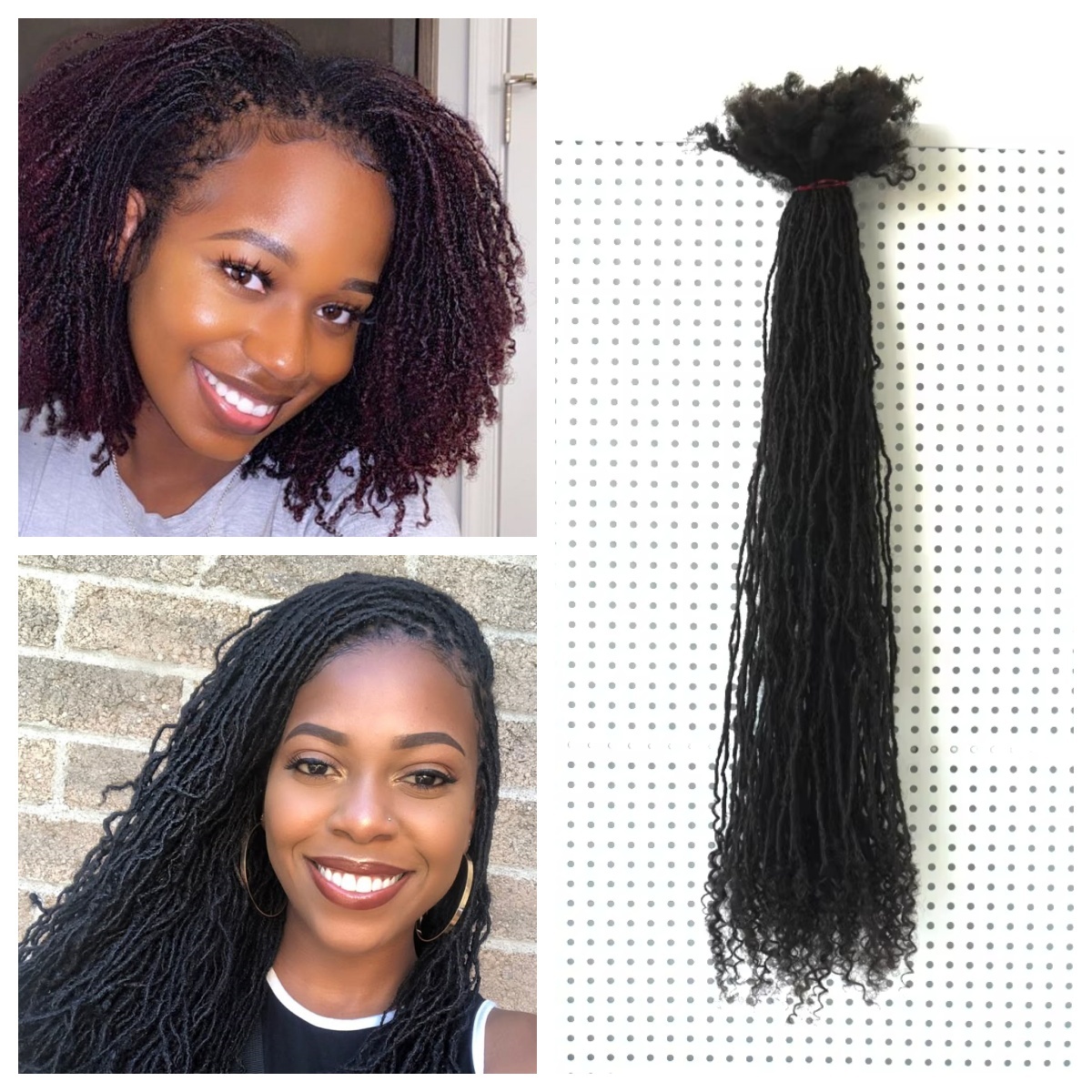
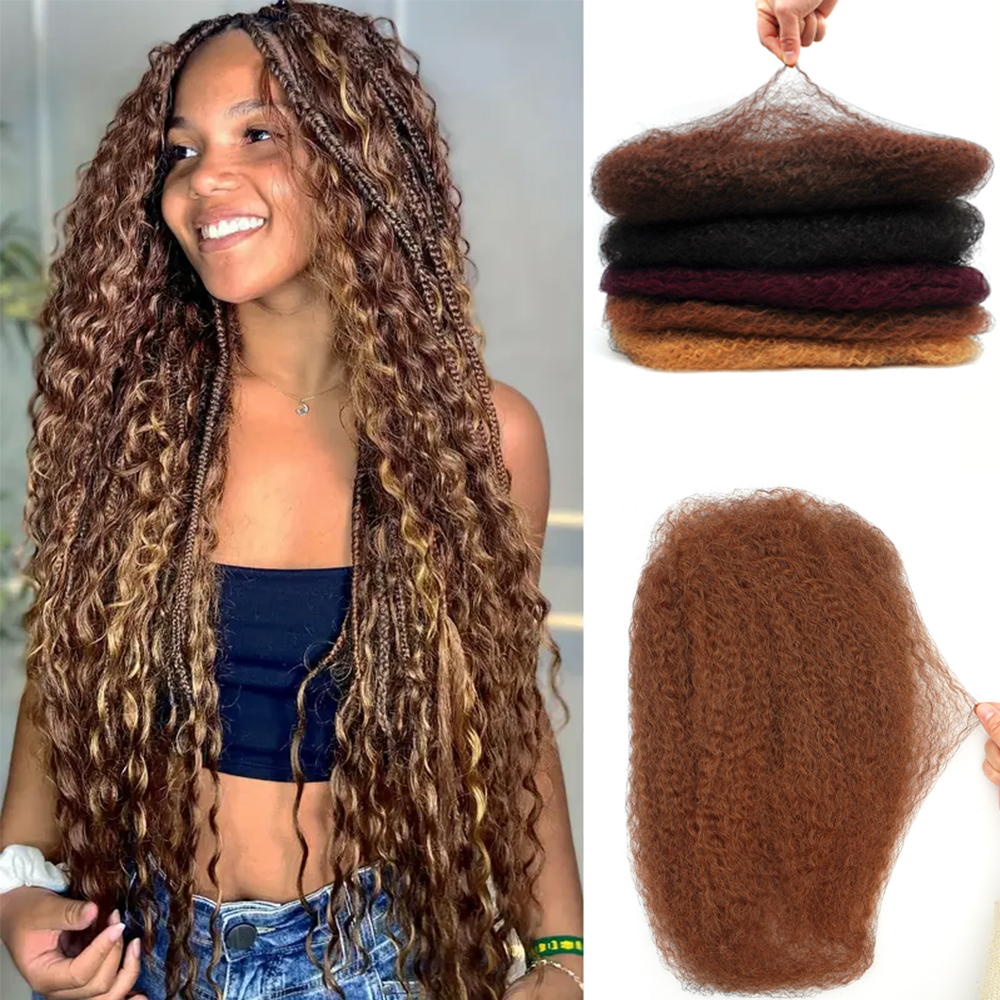
A prepared micro-loc line, a woven bulk extension and a feather-crochet deep-wave format from one workshop, so batch consistency can be judged across formats rather than across a single SKU.