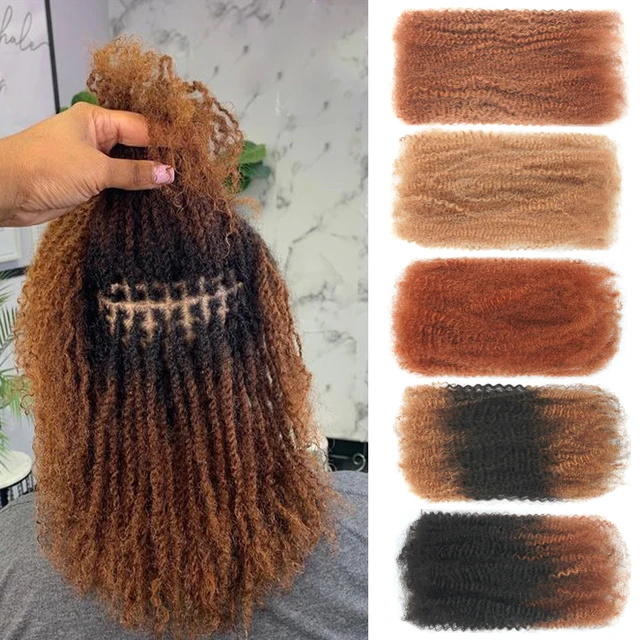
Hair is a protein fibre with a memory, and a stockroom is an environment. Put the two together for a year and the inventory you counted in January is not the inventory you can sell in December — even though nothing was stolen and nothing was returned. The loss is real, it is gradual, and it is invisible until you weigh it.
1. Four Loss Mechanisms
Moisture regain and mildew. Hair absorbs atmospheric moisture. In a humid store with poor air movement, bundles in sealed bags trap that moisture against the fibre. The early sign is a faint smell at the bag opening; the late sign is a lot you cannot sell at all.
Insect activity. Natural protein attracts pests. Damage concentrates at the tips and along folds, and it is usually discovered as shedding in the comb rather than as visible holes.
Compression matting. Curly bulk stored under weight — a second carton on top, a vacuum bag pulled tight — takes a set. The curl does not fully recover, and the bundle becomes a lower grade without changing its label.
Light and oxidation. Colour-treated and lightened lots shift under daylight. The shift is slow enough to be invisible week to week and obvious against a fresh lot, which is why it shows up as a client complaint rather than a stock report.
2. The Quarterly Audit Protocol
Set aside one afternoon a quarter and work one shelf at a time:
Weigh. Record each pack to 0.1g against its intake weight written on the tag. Weight loss is shedding; weight gain is moisture.
Smell and feel. Open a sample bag from each lot. Any mustiness is a quarantine decision, not a judgement call for later.
Comb test. Draw a wide-tooth comb through a small section and count what sheds. Compare against your intake photo, not against memory.
Photograph. Shoot each lot under the same light against a grey card. Colour drift only becomes visible when two photos sit side by side.
3. The Write-Down Math
Assign each lot a condition grade and a recoverable value, then compare it to the cost of holding. Figures below are illustrative.
| Age band | Typical condition | Recovery route |
|---|---|---|
| 0-3 months | full retail grade | normal sale |
| 3-6 months | slight set or drift | bundle into install packs |
| 6-9 months | visible drift, some shedding | practice or test-kit stock |
| 9-12 months | compromised | write down, do not retail |
The point of the table is not the thresholds — yours will differ with climate and packaging. The point is that recovery value falls faster than price, so discounting late-stage stock usually costs more in reputation than it recovers in cash.
4. Storage Rules That Actually Move the Number
Keep bulk in sealed, dark, low-humidity storage with silica packs refreshed quarterly. Store cartons upright, never stacked on curl goods, and never vacuum-compress curly or loc-construction stock. Rotate first-in-first-out at the carton level, not the SKU level, so an old lot cannot hide behind a new delivery.
One cheap habit pays for all of it: write the intake date on the outside of the carton in large marker. You will stop discovering year-old stock by accident.
5. What to Do With Aged Stock
Aged stock that still passes a comb test has a legitimate second life as a test kit, a colour swatch set, or installer practice material. Both routes keep it inside your business instead of discounting it into a client's hands and inviting a complaint you will then have to service.
Stock that fails the comb test should be written down and disposed of on the record. An inventory that flatters itself is more expensive than an honest write-down.
6. The Annual Rule
Audit quarterly, price rotation monthly, and buy to sell-through rather than to discount. The stockroom is not a warehouse — it is a slow-moving cost centre, and the only way to keep it honest is to weigh it.
The Storage Loss Audit Suite
Three formats with different surface areas and curl structures — bulk, finished micro-loc, and handmade interlock — so loss can be compared across constructions rather than assumed uniform.