Clients rarely walk in asking for a micro-gauge interlock system. They walk in asking for Sisterlocks, or for a look they saw in a video, and the stylist then has to translate that request into a gauge, a strand count, a chair time and a product bill. The three systems photograph almost identically and behave completely differently on the head, in the appointment book, and on the invoice.
1. Where the Three Systems Actually Diverge
All three are built on the same principle: a small grid of permanent, interlocked strands. The divergence is gauge and tension. Certified Sisterlocks work sits in the narrowest band, where grid geometry and a disciplined retightening rhythm matter most. Microlocs sit slightly wider and are far more forgiving to install, which is why they have become the fastest-growing micro service in independent studios. Interlocks sit wider still, read as traditional locs at a distance, and install faster per strand.
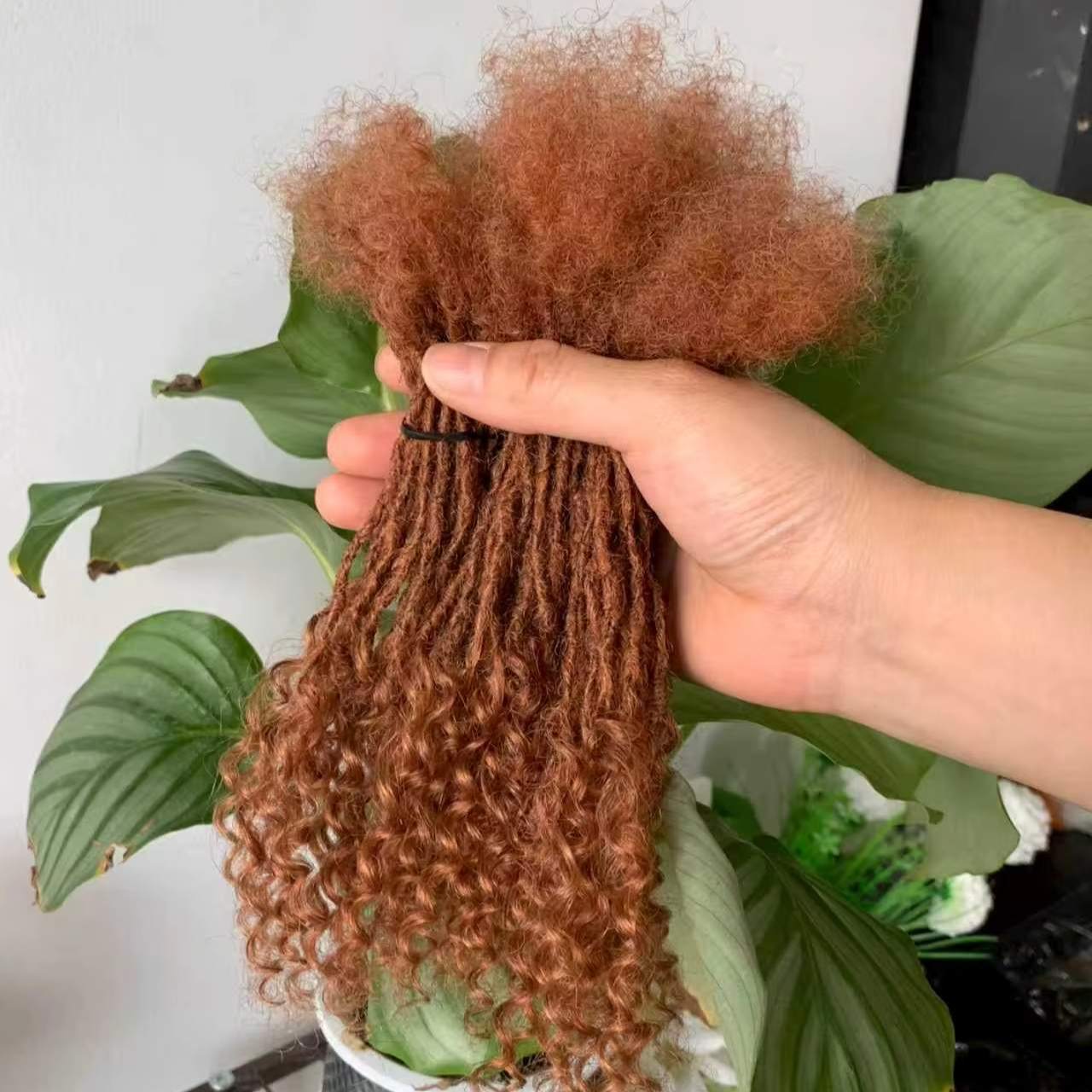
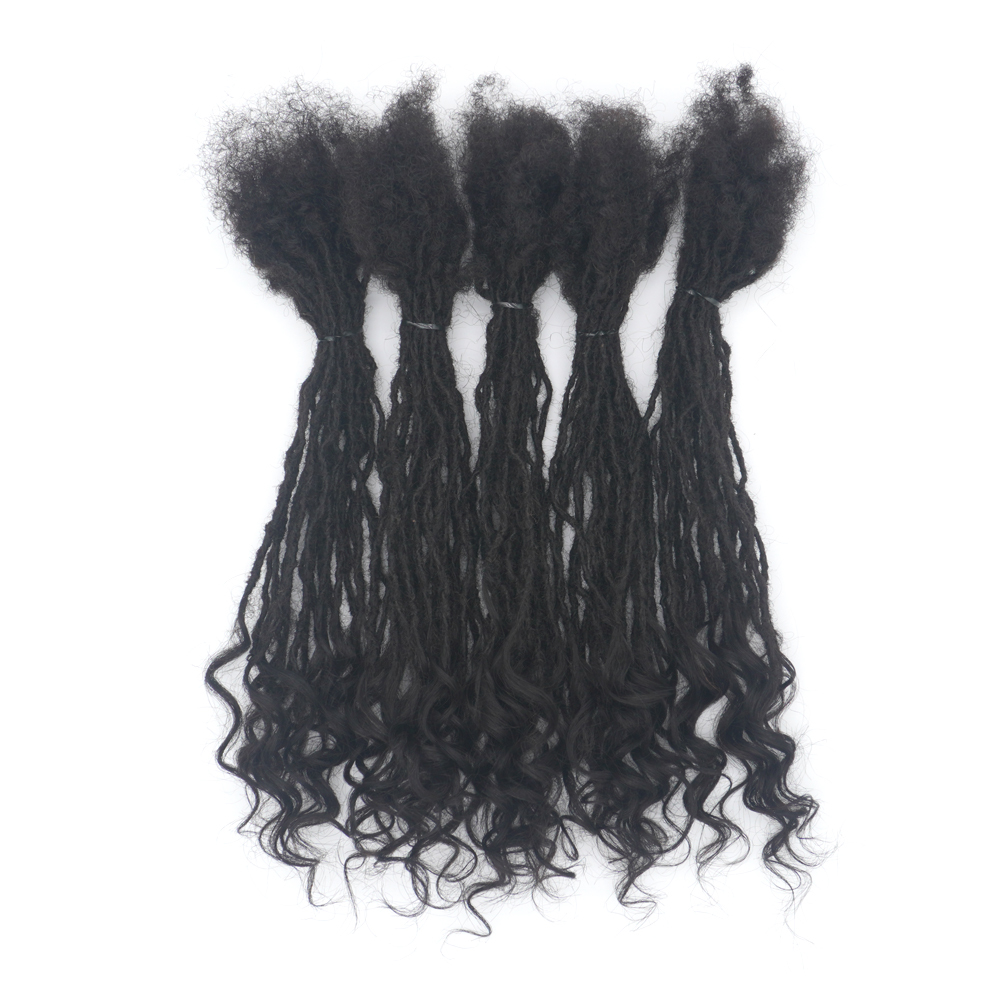
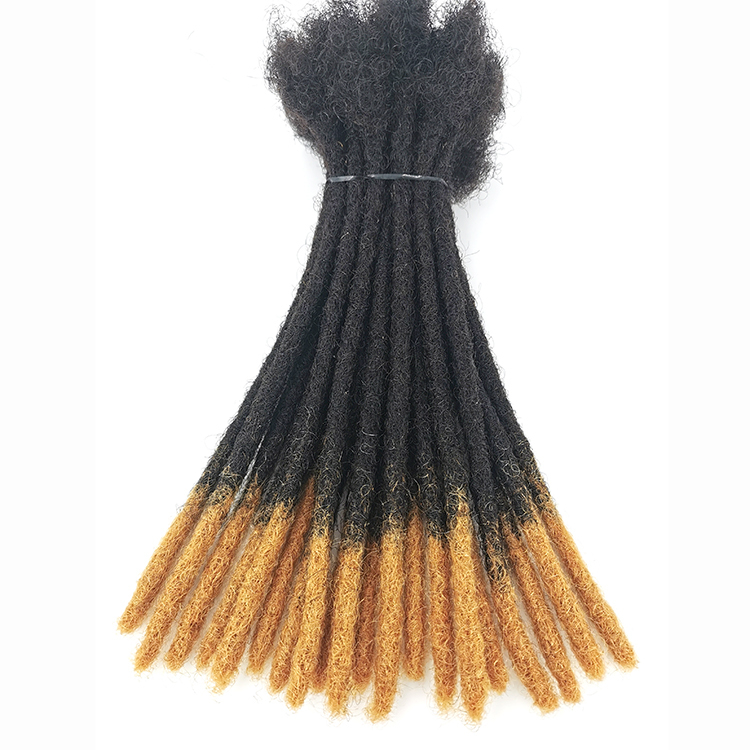
The tip finish matters as much as the gauge. Curly-tip strands deliver a finished edge on day one instead of waiting months for the hair to bud naturally, while straight-tip strands read denser and flatter, which mature clients often prefer because it keeps the silhouette tight against the scalp.
2. Chair Time Is the Real Pricing Variable
A gauge that halves your strand count does not halve chair time, because sectioning and parting cost the same regardless of strand diameter. What changes is retightening. A 0.2cm grid carrying several hundred strands takes materially longer to maintain than a 0.6cm grid carrying roughly a third of that count. That single difference is the maintenance economics of the service, and it is the number clients never see when they compare quotes.
3. The Product Bill, Line by Line
Illustrative example only - substitute your own landed cost. If a starter installation consumes three to four packs of bulk hair plus sixty to ninety pre-formed strands, the material line lands in the low hundreds at wholesale, while the installation price is driven by chair hours. Strand-based purchasing keeps that ratio stable when you switch gauge; pack-based purchasing is what makes a system look unprofitable when it is actually just mis-billed.
4. Standardising Inventory So Clients Can Switch
- Deliberate gauge clients: hold one curated gradient of pre-formed strands in the two smallest diameters, and let consultations choose between them rather than special-ordering per client.
- Walk-in conversion clients: keep wider-diameter interlock strands in natural black and one blended tone, because these are the clients most likely to book the same week.
- Maintenance clients: hold retightening tools and repair strands as consumables, not as one-off purchases, since the tool is what makes a six-week cycle repeatable.
Whichever system you standardise on, record the actual strand count on the first installation and reuse that number forever. Gauge decisions are usually revisited on aesthetic grounds, and the strand count is what tells you whether the revisit will pay for itself.
The Micro-Gauge System Comparison Suite
Curly-tip Sisterlock strands, tight interlocked microlocs and a retightening needle set - the three components every micro-gauge consultation turns on, sourced from one verified workshop.