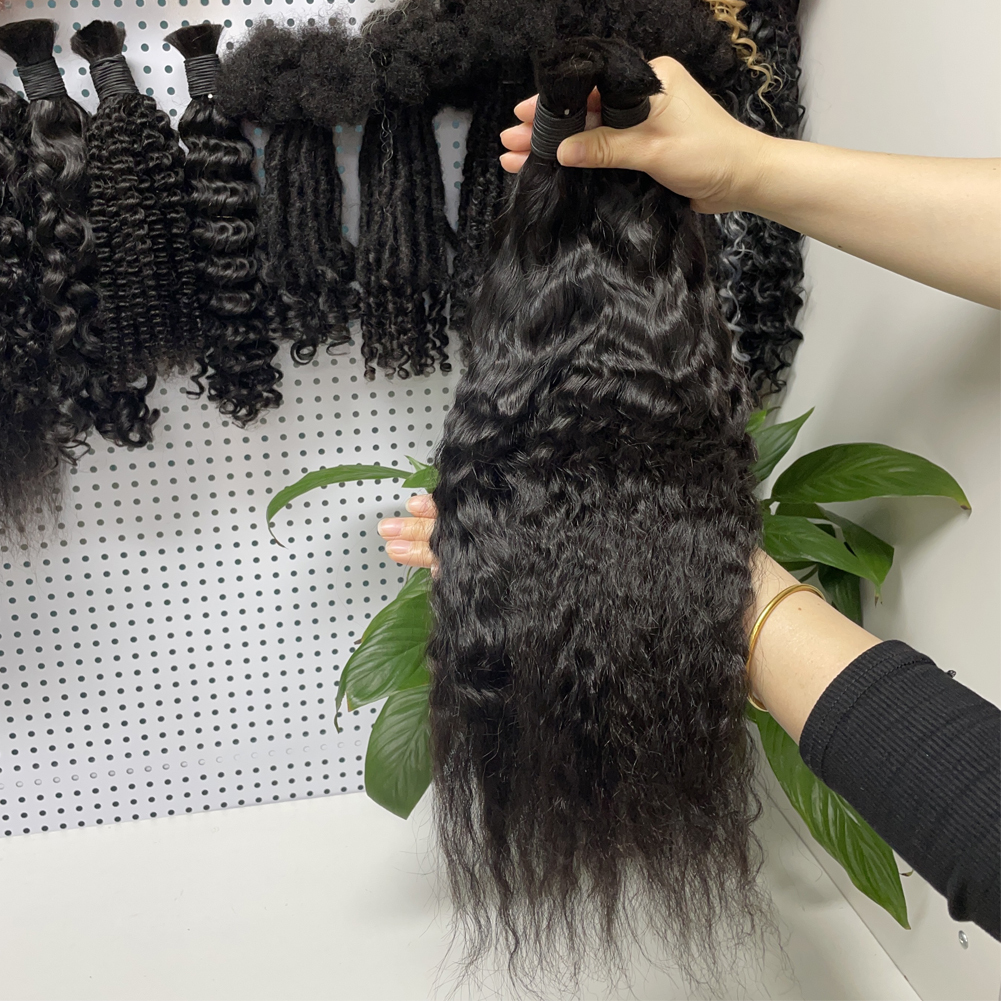
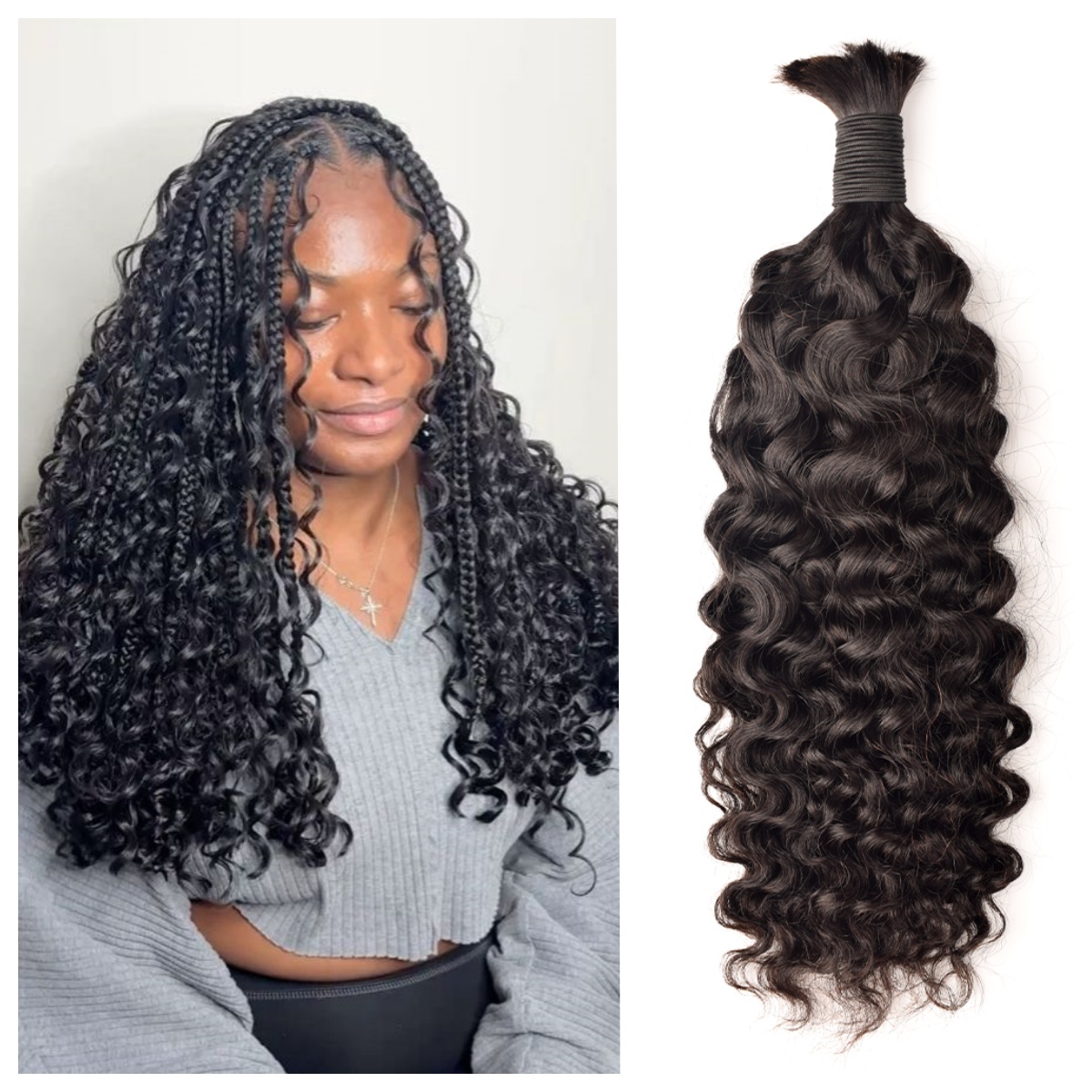
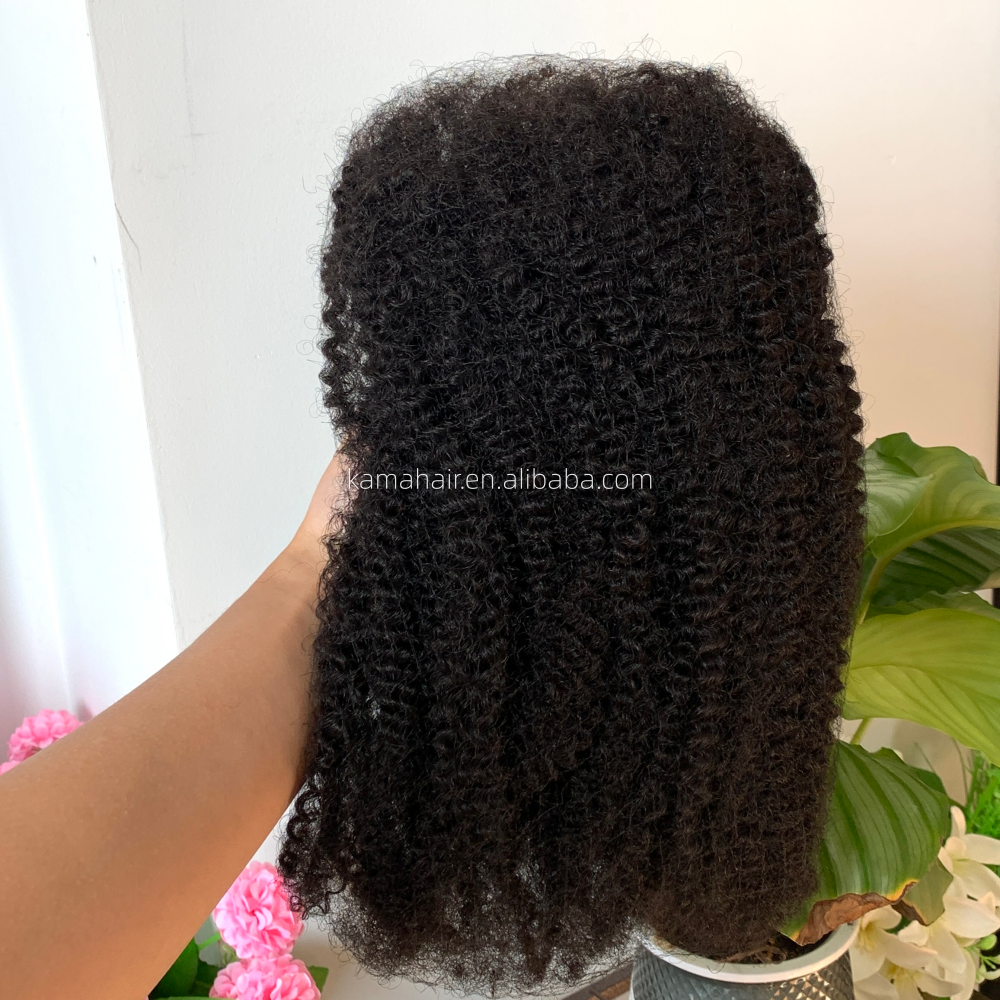
Listings use raw, virgin, remy and unprocessed as though they were synonyms. They are not. Each term describes a different point in the supply chain, and each predicts different behaviour once the fibre is on a client's head.
1. What Each Label Describes
- Raw / unprocessed: fibre that has not been chemically stripped or coated. Cuticle direction is retained, which is why raw fibre resists tangling and why it responds to colour work more predictably.
- Virgin: in practice, fibre that has not been chemically treated, though the term is used loosely. The useful question is not which word is printed but whether cuticles are aligned and intact.
- Remy: describes cuticle alignment - all strands running the same direction. A remy product can still be processed; alignment and treatment are separate properties.
- Processed: fibre that has been chemically treated, coated or acid-washed. Cheaper and more uniform in appearance, but with reduced elasticity and a shorter usable life.
2. What the Label Predicts in Practice
Grade shows up in three places during actual wear: tangling at the root junction, behaviour during washing, and response to heat or colour. Cuticle-aligned raw and virgin fibre tangles less because the strand surfaces slide in one direction. Processed fibre with stripped cuticles catches against itself, and that friction concentrates exactly where the extension meets the client's own hair.
3. Matching Grade to Service
Higher grades are not automatically the right purchase. Cuticle-aligned raw and virgin fibre earns its price in long-wear installations, in colour work, and in styles the client expects to keep for months. Processed and coated fibre is a defensible choice in short-cycle styles where the material is replaced frequently and absolute longevity is not the deliverable.
What is not defensible is a processed product sold as raw. That mismatch is what produces the client complaint about a bundle that tangled in three weeks, and it is worth verifying on the first order from any new supplier rather than assuming.
4. Recording Grade Per Batch
Keep a simple log: supplier, order date, grade claimed, and how the batch performed on the first three clients. Within a few orders you have a supplier performance record that is far more useful than any listing description, and you stop re-learning the same quality lesson each season.
The Fibre Grade Verification Suite
Raw unprocessed braiding bulk, virgin salon-grade bulk and handmade raw 4C bulk for comparing fibre grades under the same installation conditions.