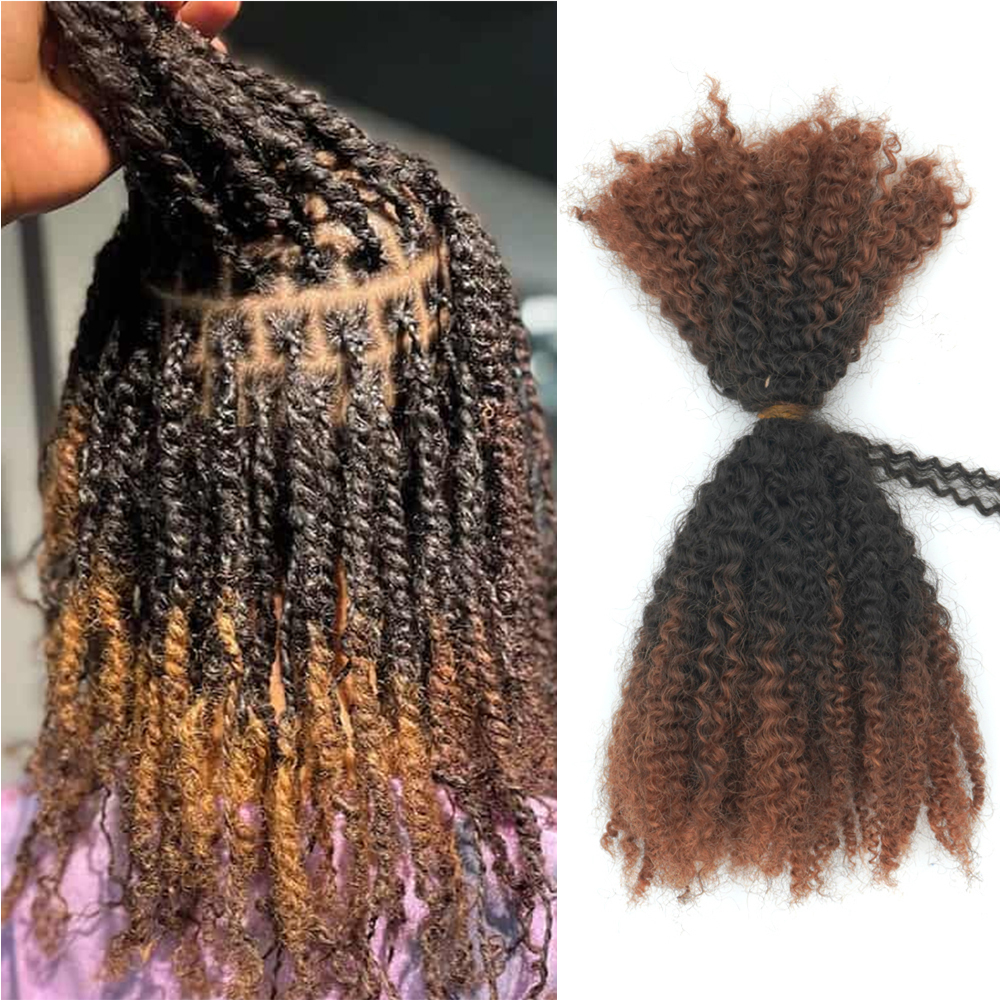
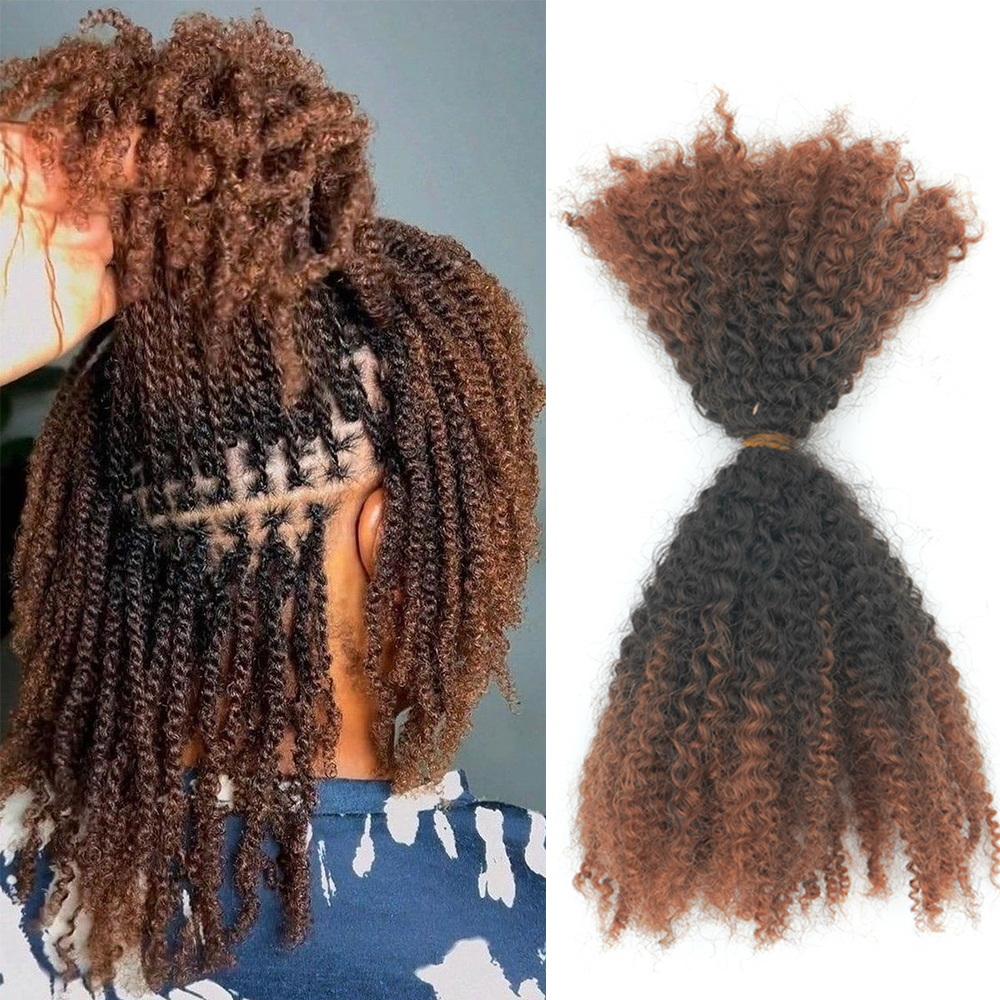
Colour is the most profitable upgrade a loc or braid service can carry, and the most common source of an unhappy client six weeks later. The difference between those two outcomes is decided at the consultation, when the number of tones and the position of the transition are agreed.
1. Why Two-Tone Beats Multi-Tone in Loc Work
Ombre installations typically use a darker tone at the root that transitions to a lighter tone toward the ends. Two-tone planning keeps that transition in a predictable place, which matters because loc and braid strands do not re-colour themselves - whatever gradient you install is the gradient the client wears until the next appointment.
Adding a third or fourth tone increases the visual drama and multiplies the difficulty of refresh work, because every tone has to be restored in the correct position. Two tones refresh cleanly; four tones usually mean a full reinstall instead of a maintenance visit.
2. Positioning the Transition
Root-to-end ombre bulk is pre-composed, which removes the risk of an uneven transition - the gradient is manufactured at a fixed point along the strand. That predictability is the main reason pre-composed ombre formats are worth their price premium over hand-composed colour.
For clients who want a brighter face-framing effect, a highlight accent fibre can be placed selectively rather than applied across the whole head. Fewer strands carry the light tone, the effect reads intentional, and the refresh stays cheap because only a small proportion of the installation needs colour matching.
3. Matching Two-Tone Work to the Retightening Cycle
The tone plan and the maintenance plan have to agree. If a client retightens every six weeks, the coloured strands must survive six weeks of washing and re-tensioning without drifting out of position visually. That usually points toward fewer, wider colour zones rather than fine alternating strands.
4. Pricing Colour as a Service, Not an Add-On
Two-tone work consumes more consultation time, more material planning and a longer refresh appointment. Pricing it as a flat add-on undercharges the work and traps the stylist into carrying the extra time on every future visit. Price the colour as part of the installation, and price the refresh as its own service - that is what makes colour a durable revenue line rather than a one-off upsell.
The Two-Tone Colour Planning Suite
Root-to-end ombre bulk, ombre colour references and highlight accent fibre for building two-tone installations with a manageable refresh cycle.