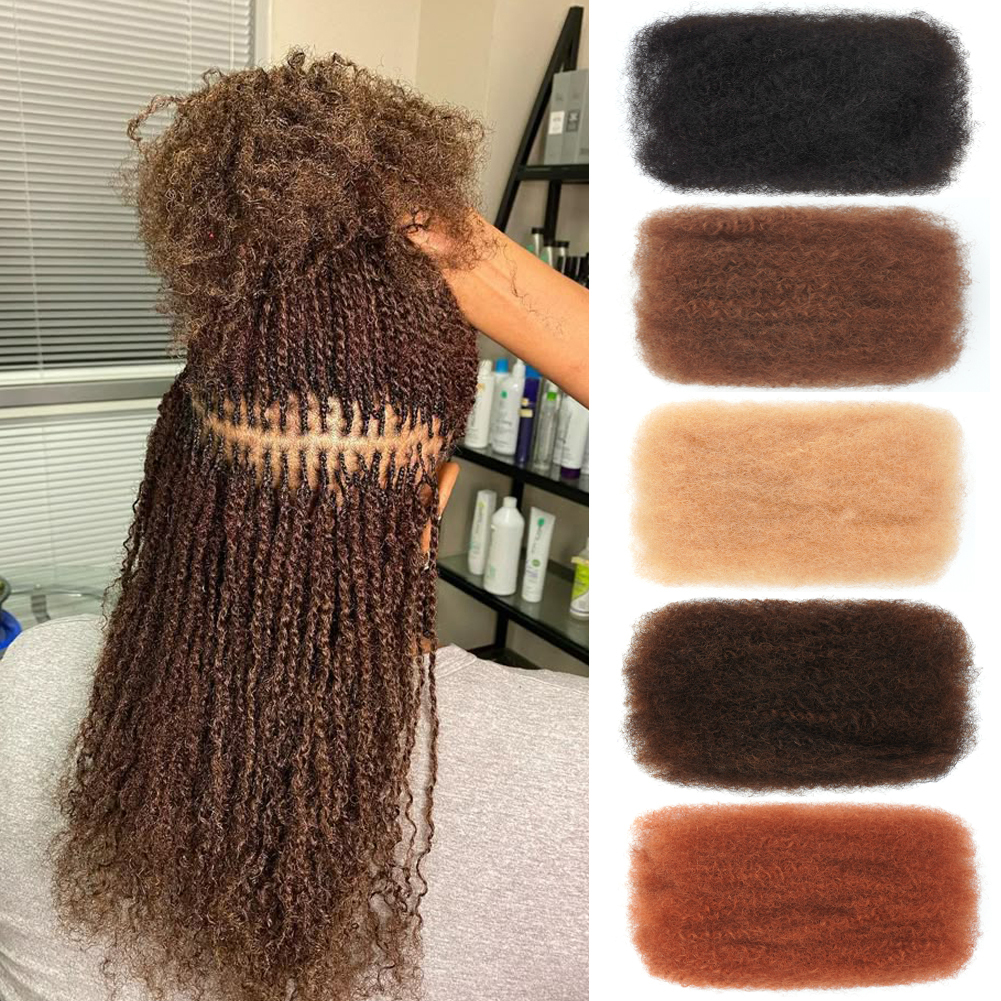
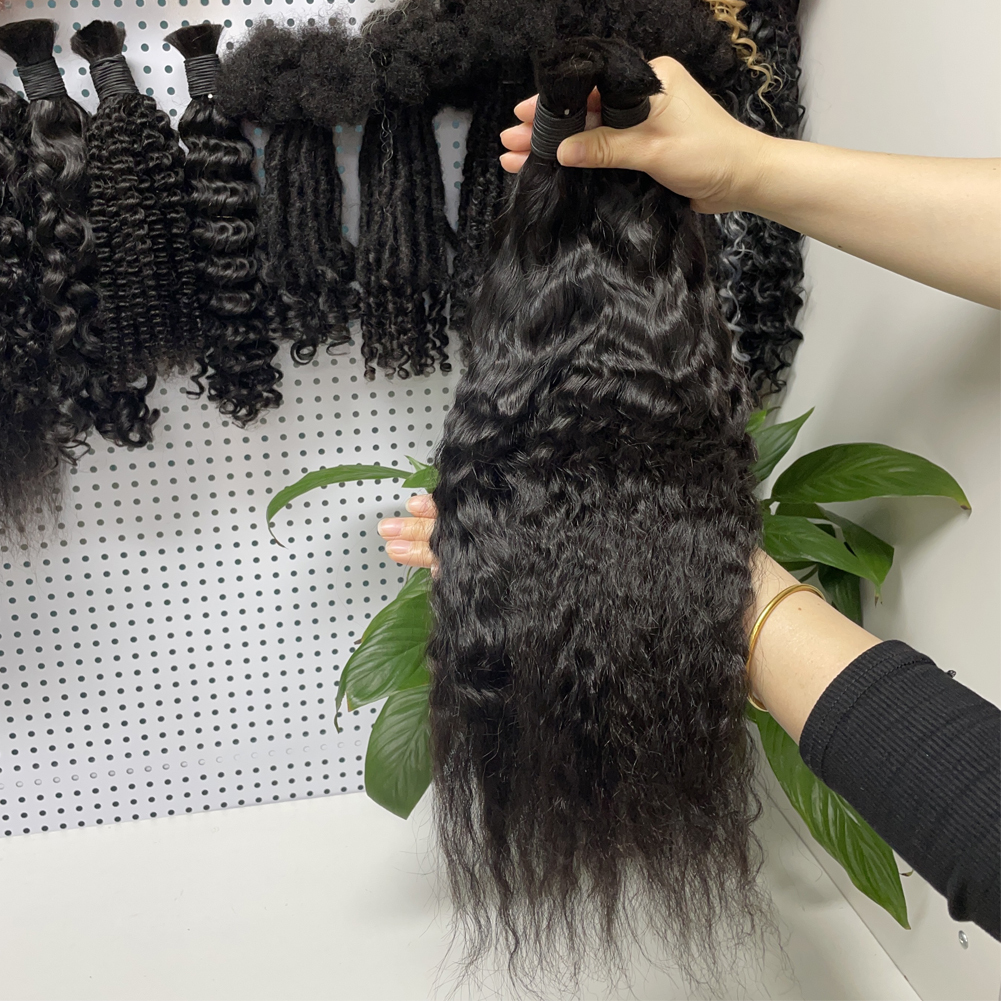
Wholesale hair pricing looks opaque from the outside. It is not. A published price range is a ladder, and once you understand what each rung is measuring, ordering stops being a negotiation you can lose.
1. Reading a Price Ladder
Factory-direct listings typically show a range rather than a single figure, because the price per unit moves with order volume. The range exists to communicate that the buyer's total commitment changes the unit cost - it is not a suggestion that the quality varies.
Two consequences follow. First, the top of the range is the price you pay for a small trial order, and that is a legitimate cost of de-risking a new supplier. Second, the bottom of the range is achievable only at the volume the listing specifies, so do not build a client rate card on a number you cannot yet reach.
2. What MOQ Is Really Protecting
A minimum order quantity is not arbitrary gatekeeping. On handmade items especially, setup, colour matching and packing carry fixed costs that a factory has to recover across the order. Below a certain volume, the work of preparing an order is not worth a production slot.
That is why MOQ is often more negotiable in format than in volume. A factory that cannot accept a tiny order of one colour may be able to accommodate the same total value split across the standard gauges they already produce. The conversation to have is about what the line is already running, not about discounting the minimum.
3. Lead Time and Cash-Flow Planning
Handsmade hair is not shelf stock. Interlocked loc strand production, colour matching and packing all happen after an order is placed, which puts lead time between your payment and your usable inventory. Two habits keep that gap from becoming a cash-flow problem:
- Separate stock capital from operating capital. Inventory you have already paid for is not available to cover rent. Decide in advance what proportion of cash can sit in unopened stock.
- Anchor lead time to your reorder trigger. If production and transit together take a defined period, your minimum stock level must cover that period plus one installation's worth of usage.
4. Building a Reorder Calendar
Track consumption per gauge or bulk weight for a month, then set three levels for each: a working level you order at, a reserve level that covers lead time, and a hard floor that triggers an immediate order regardless of schedule. Review the calendar monthly rather than annually - seasonality in protective styling moves a salon's consumption noticeably across the year, and a fixed annual order plan will always be wrong in at least one season.
Where possible, consolidate gauges and colours that are already part of the factory's standard production. Standard formats carry lower unit costs, shorter lead times and far less risk of a specification drift between orders - and consistency between orders is what lets you quote your own clients accurately.
The Salon Wholesale Procurement Suite
Bulk accessory, feather-tip and raw braiding formats that show how specification and volume change the quoted price tier on the same category of product.