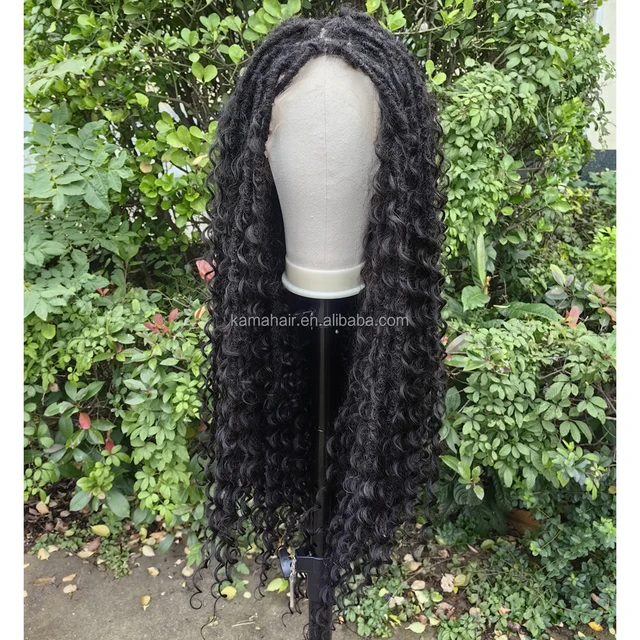
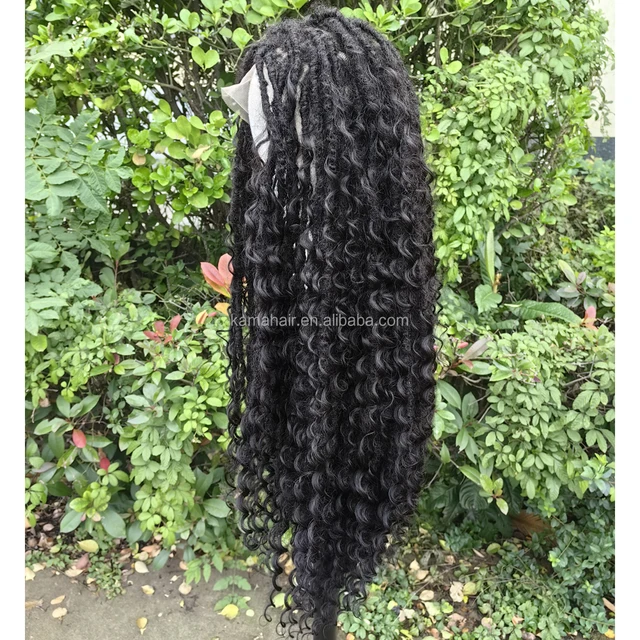
Adding loc wigs to a braiding menu usually gets evaluated as a retail add-on: buy a unit, mark it up, sell it. That framing hides the real economics, because a protective unit is worn repeatedly across months of install, removal, wash and reinstall. The unit is an asset with a service life, and the question is cost per wear, not markup on the invoice.
1. Define the Wear Cycle First
Before you buy inventory, write down the wear cycle you intend to support: how many weeks per install, how many installs before the unit is retired, and what maintenance happens between installs. Without that, a premium unit and a volume unit look comparable on price and are not comparable on cost per wear at all.
Most studios settle on two tiers — a premium human-hair blended loc unit for clients who reinstall quarterly, and a volume tier for trial clients who want the look for one season. Different tiers, different replacement cadence, different working capital.
2. The Cost per Wear Calculation
Unit cost plus maintenance labour plus consumables, divided by total wears before retirement. Note that the premium tier usually wins on cost per wear and loses on cash conversion — you tie up more capital per unit and hold it longer. Both numbers matter and they answer different questions.
3. Where the Margin Actually Leaks
Three places. First, edge and hairline thinning that forces early retirement — fixable with density infill rather than a new unit. Second, lace lifting after repeated removal, which converts a reusable asset into a one-wear item. Third, colour fade on any unit that was chemically toned rather than naturally pigmented.
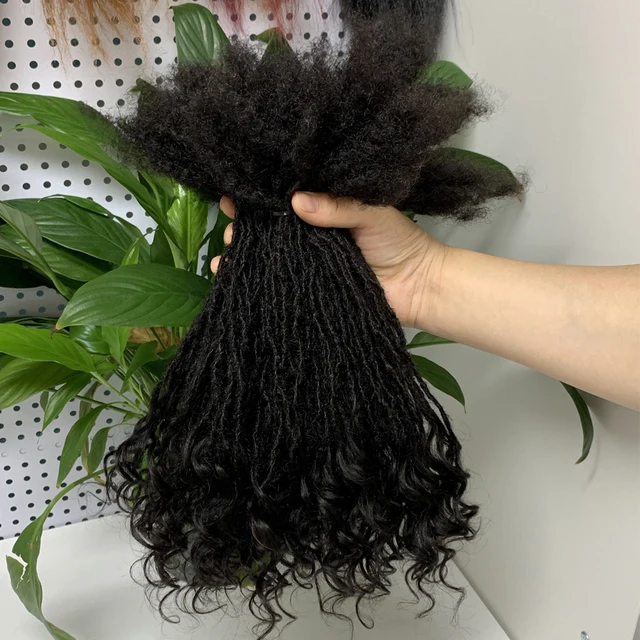
The infill strategy is the one most studios miss. Keeping a stock of factory-interlocked locs in the matching diameter lets you rebuild a thinning perimeter instead of writing off the unit, and that single practice can double the wear count on a premium piece.
4. Should You Stock or Order to Client?
If your loc wig demand is under a handful per month, order to client and quote a lead time. Stock only the tier that turns over predictably, and keep the infill stock separate from the retail units. Holding premium units as speculative inventory is the fastest way to turn a good service line into dead capital.
Price the service as a package — unit, install, first maintenance visit — rather than selling the unit alone. Package pricing is how you get paid for the maintenance labour that keeps the asset alive.
The Loc Wig Service Kit
A full-lace human hair blended loc wig for the premium tier, an HD lace straight unit for the volume tier, and factory-interlocked locs for repair and density infill between wears.