Every loc service has the same input: finished strands. Most salons buy them. A smaller number build them, and the decision to move production in-house is a manufacturing decision wearing a hairstyling costume - it should be evaluated on equipment, input material and yield, not on craft pride.
1. The Case For and Against In-House Production
Buying finished strands keeps capital light and quality someone else's problem. Producing in-house controls gauge exactly, shortens the lead time between an order and a client's appointment, and can improve margin per strand - if volume is high enough to keep the equipment working.
The risk is the classic one: a production line with insufficient throughput spreads its fixed cost across too few strands, and the per-strand cost ends up higher than the wholesale price it was meant to beat.
2. Equipment and Its Real Cost
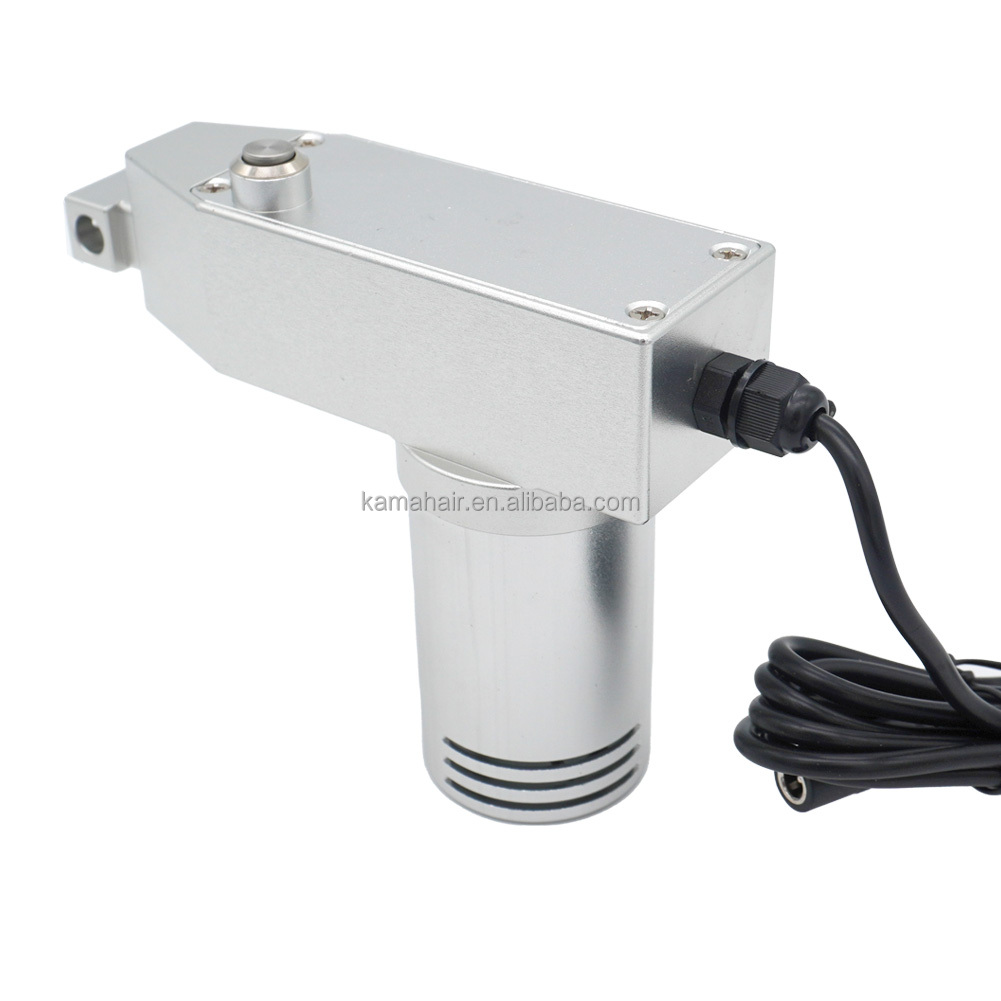
Loc production equipment is a fixed cost, and fixed costs only make sense against volume. Before purchasing, write down two numbers: how many strands a normal salon month consumes, and how many strands the equipment can produce in the hours you can realistically dedicate. If the second number is not comfortably above the first, you are buying capacity you will not use.
3. Input Material and Gauge Control
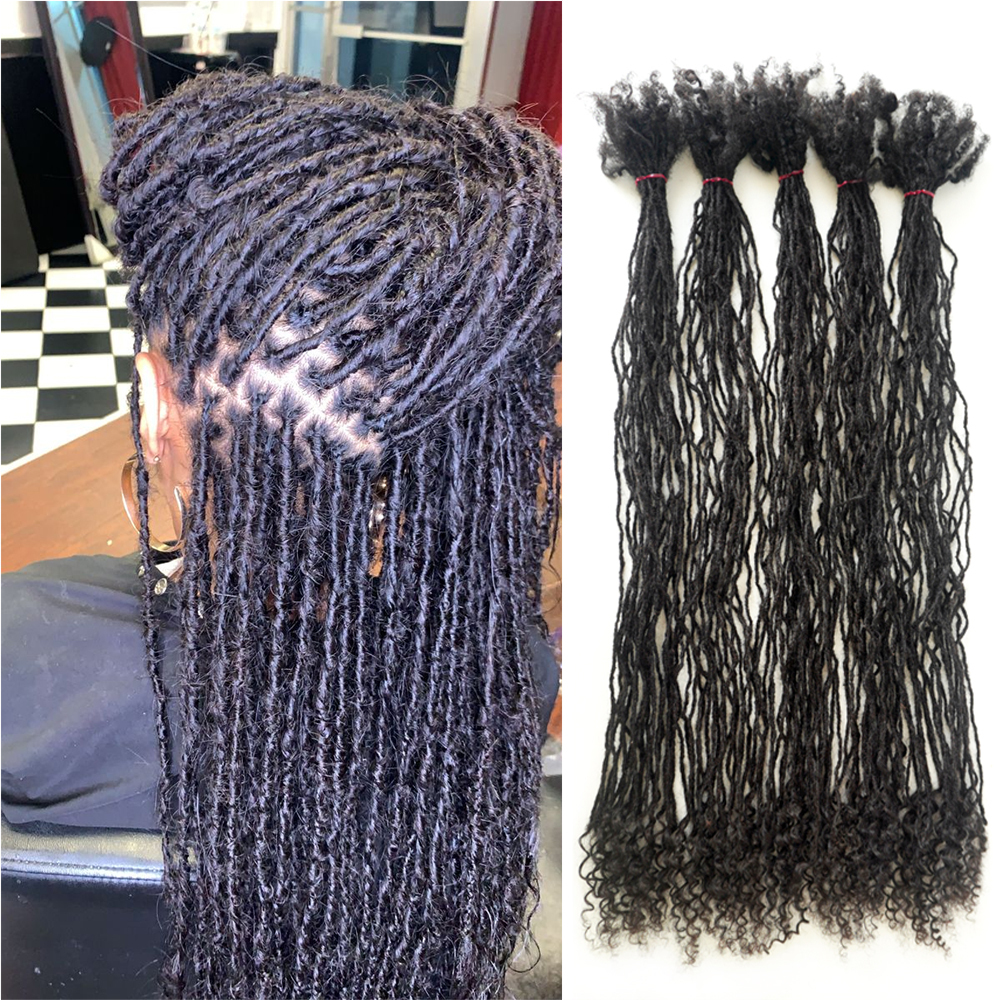
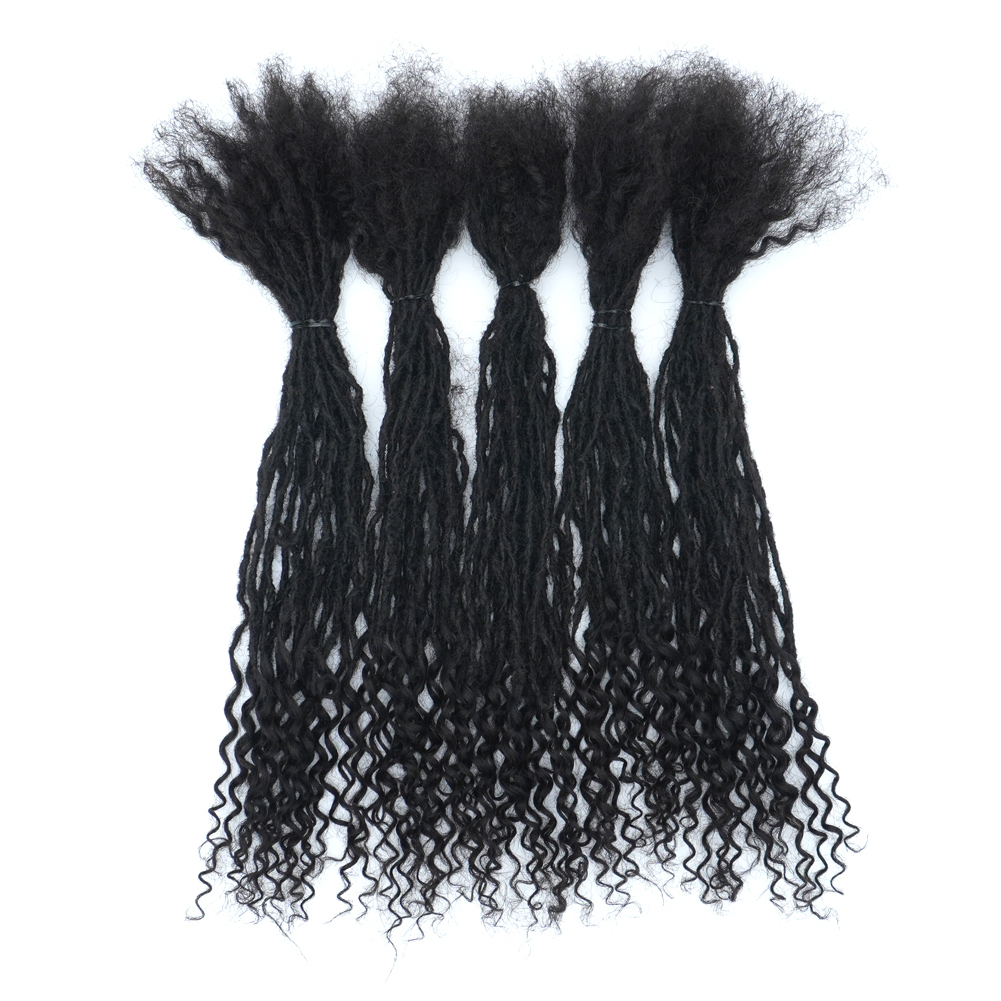
In-house production lets you match input fibre to the gauge you actually sell. Raw strand input in the 0.1-0.2cm range supports the fine micro work that commands the highest per-strand price, while coarser input serves traditional loc services. Because you control the pairing, you can also hold a finished gauge reference strand from each run and verify consistency across batches instead of hoping the supplier did.
4. The Hybrid Model Most Salons Land On
The stable answer is rarely all-or-nothing. Most salons that produce in-house keep buying their highest-volume gauge from a supplier and reserve in-house production for custom gauges, unusual lengths and rush orders - precisely the briefs where a supplier's lead time hurts the most and where the client will pay for speed. That keeps the equipment busy without staking the whole service line on it.
The Loc Production Setup Suite
Loc extension production equipment alongside raw strand input and finished gauge references for salons evaluating in-house production.