When you resell hair under a human hair description, you inherit the claim. A supplier's listing is not evidence, and a certificate is only as good as the sample it was issued against. These four bench tests take under an hour and give you defensible ground if a client disputes what they bought.
1. The Burn Test — Directional, Not Definitive
Burn a small strand from the middle of the bundle, not the end, since ends may be treated differently from the body. Human hair forms a crushable ash and smells like burnt protein. Synthetic fibre melts into a hard bead and smells plasticky.
The limitation matters: a 30 percent synthetic blend can pass a burn test on a single strand if you happen to sample a human fibre. Sample three strands from three zones of the bundle, and treat any bead formation as a blend flag rather than an isolated anomaly.
2. The Heat Test
Apply a straightener at a moderate setting to a clean, dry section. Human hair will straighten and revert with water; synthetic content will glaze, stiffen or fuse. This is the most practical test for salon suitability, because heat tolerance is what the client will actually ask the hair to do.
3. Moisture Regain
Weigh a sample dry, leave it in ambient humidity for 24 hours, and reweigh. Human hair absorbs atmospheric moisture and gains weight; synthetic fibre barely moves. The gain will be small in absolute terms, which is why you need a 0.1g scale and the same protocol every time — consistency of method is what makes the comparison meaningful.
4. Cuticle Direction
Run your fingers from root to tip, then tip to root, on several strands. Smooth one way and rough the other indicates aligned cuticle. Roughness in both directions indicates mixed direction, which predicts tangling and matting at the root regardless of fibre content.
This test catches a problem the burn test never will: genuinely human hair that has been blended without regard to direction. It is one of the most common causes of "the hair matted after two weeks" complaints, and it is a sourcing defect, not an installation fault.
5. Turning Tests Into a Purchase Decision
Run all four tests on the first lot of any new supplier and on any lot where the price moved sharply. Keep the results with the order record. If a lot fails, you have evidence for a claim; if it passes, you have a documented basis for the claim you make to your own clients.
The Claim Verification Kit
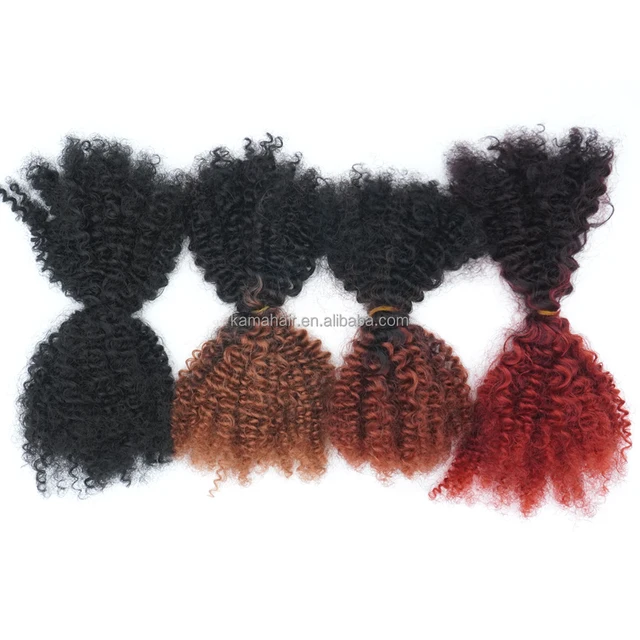
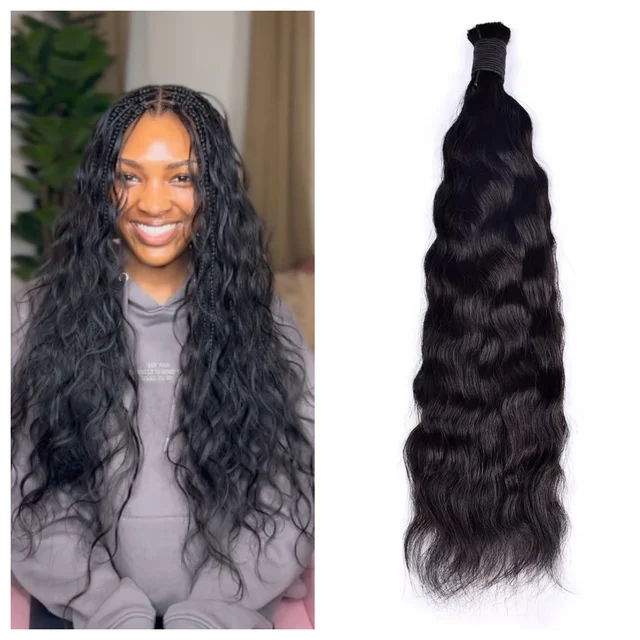
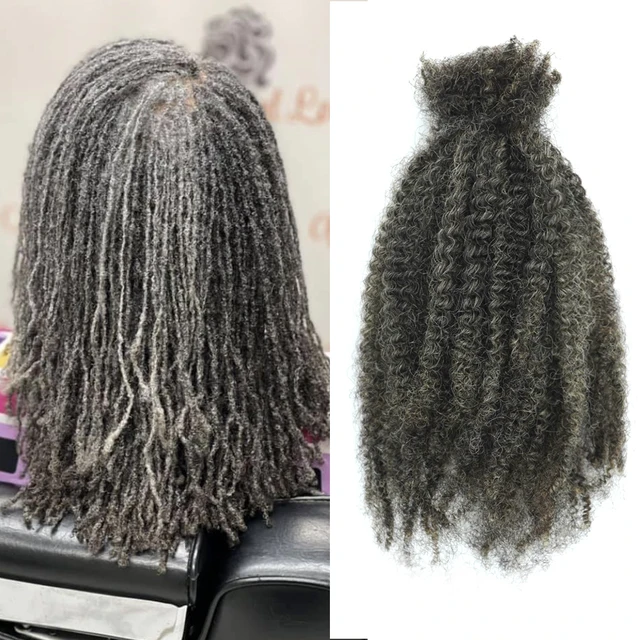
A blended 4A-4C bulk to test against a human hair claim, unprocessed virgin bulk as the control sample, and a salt-and-pepper bulk lot for checking colour-treated fibre behaviour.