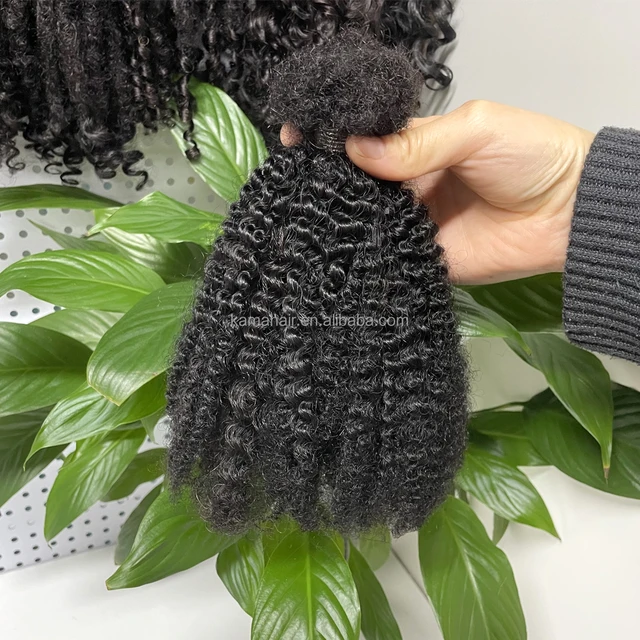
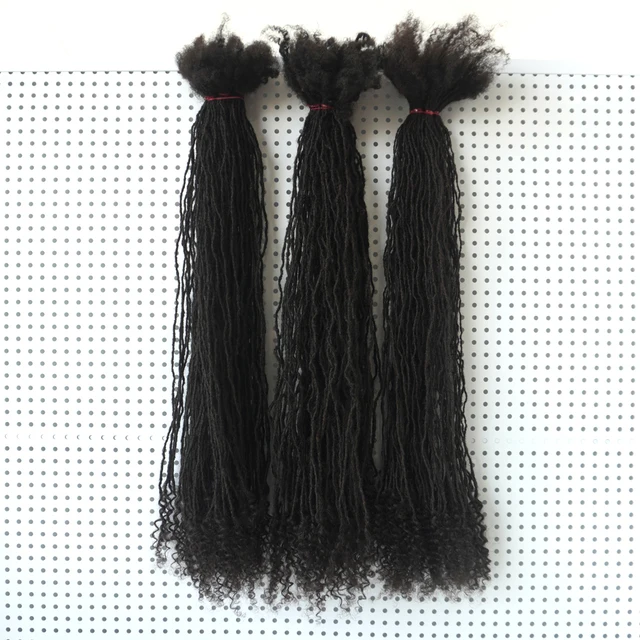
Bulk hair behaves nothing like general cargo. It is low density, compresses only so far, and is sensitive to humidity and compression creasing. That combination means the cheapest freight mode on paper is often the one that costs you the most in damaged or delayed stock.
1. Start With Volumetric Weight, Not Scale Weight
Every carrier prices on the greater of actual and volumetric weight. Hair cartons are bulky, so volumetric weight almost always wins. Calculate it before requesting rates: length × width × height in centimetres, divided by the carrier's divisor. Two cartons of the same scale weight can differ in cost by a factor of two purely on packing efficiency.
2. Match Mode to Restock Urgency
- Courier: fastest, highest per-kilo cost, best for samples, colour rings and emergency top-ups that protect a booked client.
- Air freight: the middle path. Worth it when a stock-out would cost more in lost chair hours than the freight premium.
- LCL sea: lowest unit cost, longest and least predictable transit. Suits planned seasonal depth buys rather than reactive restocking.
3. Packaging Decisions Change the Freight Bill
Vacuum compression reduces volume but can set creases into curly textures that survive the whole install cycle. Ask the supplier to compress in a way that respects the curl pattern, or accept a slightly higher volumetric charge. Test this on a small shipment before committing a season's volume to it.
4. Consolidate, Then Negotiate
A single consolidated shipment from one workshop almost always beats three small parcels, even when the per-unit price at each supplier looked attractive. Consolidation also simplifies customs paperwork and keeps your defect-claim evidence in one place.
The Freight-Mode Test Shipment Kit
Assorted bulk and loc formats sized for consolidating a first mixed shipment.