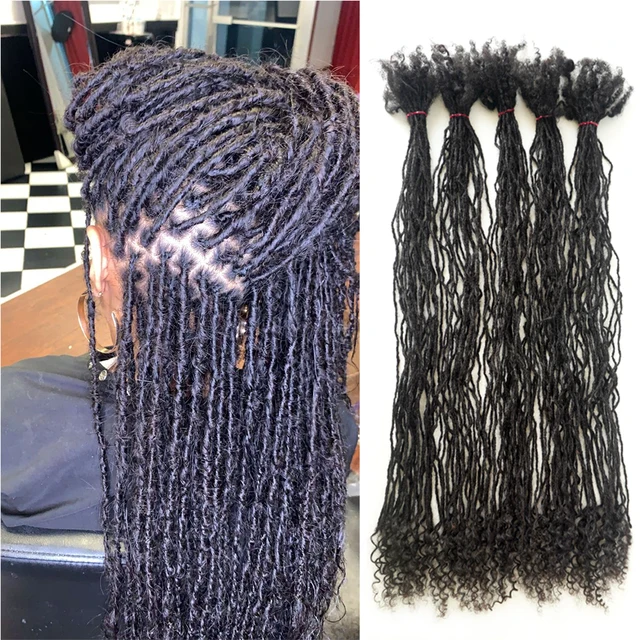
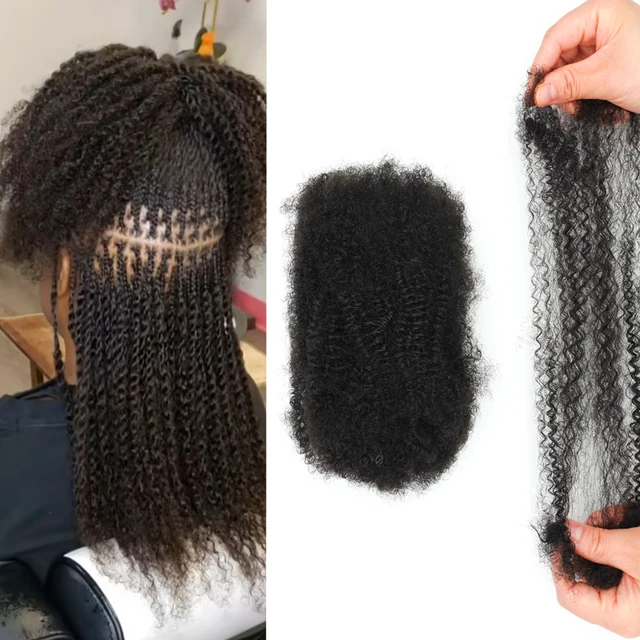
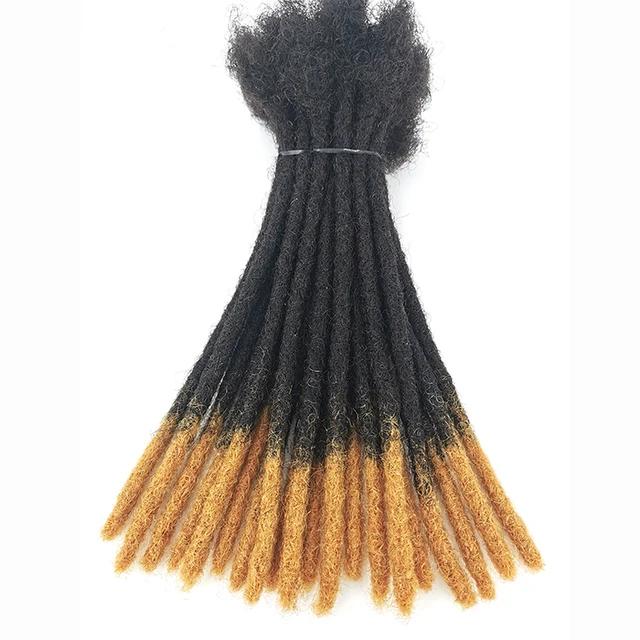
Every length dispute in this trade starts the same way. The listing says 18 inches, the client's tape measure says 16.5 inches after the first wash, and nobody can agree on what was being measured in the first place. Shrinkage is not a single defect. It is three different lengths wearing the same label, and the only way to price it honestly is to audit it the same way every time.
1. Three Lengths, One Label
Before any audit means anything, both sides have to name the length they are talking about. There are three, and they routinely differ by two inches or more on the same bundle.
- Tensioned length: the strand pulled straight under light tension, measured flat. This is the number most factories quote, because it is the largest.
- Natural-state length: the strand at rest in its own pattern. A body wave or afro kinky bulk will read shorter here simply because the fibre is travelling in a curve, not because any hair is missing.
- Installed length: what the client actually sees after installation and a wash, which is the only number the client cares about.
A bulk order quoted at 18 inches tensioned can land at 15.5 to 16 inches installed and still be inside normal behaviour. That is not shrinkage in the sense of loss. That is a measurement convention the purchase order never specified.
2. Running the First-Wash Audit
The point of an audit is to produce a percentage you can repeat and compare across suppliers, not a one-off impression. Sample at least three bundles from different positions in the carton, top and bottom, because lot spread shows up in length as readily as it does in tone.
- Step 1 — Baseline. Measure each sample dry, tensioned, on a flat surface. Record to the half centimetre. Photograph the tape against the strand on the same background every time.
- Step 2 — Wet measurement. Saturate with lukewarm water alone, no product, and measure again. Wet length tells you how much the pattern is eating, because relaxed fibre extends when water breaks the hydrogen bonds holding the curl.
- Step 3 — Wash. One cycle with a sulfate-free shampoo, finger-combed, no brushing while wet. Aggressive handling during the wash is the single largest source of false shrinkage readings.
- Step 4 — Dry and rest. Air dry flat for 24 hours. Do not measure warm or damp; both read long.
- Step 5 — Re-measure under the same tension, same surface, same person doing the measuring.
Retention is then a single division: post-wash tensioned length divided by pre-wash tensioned length, multiplied by 100. Report it as a percentage band, not a decimal, because measurement noise on a tape measure is easily half a centimetre.
3. Reading the Retention Bands
Use the same banding for every supplier so the comparison is real. The bands below are thresholds for judging a delivery, not predictions of what any one product will do.
| Retention Band | What It Usually Indicates | Commercial Action |
|---|---|---|
| 97% and above | Straight or pre-stretched material, minimal pattern take-up, cuticle intact. | Quote installed length confidently. Reorder as standard. |
| 94% - 97% | Normal for genuine wavy or curly bulk. The loss is pattern, not fibre. | Quote installed length, and buy one inch over target. |
| 90% - 94% | Heavier pattern, or a stretch that was worked in during processing and relaxed out in water. | Ask the supplier which length convention the quote uses before the next order. |
| Below 90% | Over-processed fibre, blend content, or a length claim that was never achievable dry. | Raise it with the retained sample and the audit record. Do not absorb it silently into margin. |
4. Where the Length Actually Goes
Four mechanisms account for nearly all of it, and only one of them is a quality problem.
Pattern take-up is geometry. A body wave travelling in a curve uses more fibre per inch of vertical drop than a straight bundle, so the same 18 inches of fibre reads shorter as installed length. Cuticle compaction is the second: water and agitation close the cuticle, the strand thickens slightly and shortens. Pre-stretch is the third, and it is the one suppliers control. Fibre stretched during processing and sold before it fully relaxes will give some of that length back in the first wash. The fourth is simple hydration, and it reverses on drying.
Only when retention sits below the band that the material form should deliver is it worth treating as a defect. A curly bulk at 95% is doing its job. A straight pre-stretched bundle at 92% is telling you something about the process.
5. Loc Extensions Do Not Shrink the Same Way
Handmade loc extensions hold their length better than loose bulk, because the fibre is already locked into a fixed structure. The length question moves elsewhere: to the take-up at the root and the finish at the tip.
When a loc is retightened, roughly a centimetre of length is consumed at the root each cycle as the new growth is interlocked into the existing loc. Over a year of six-week maintenance, that is real length the client loses without any hair leaving the head. Quote installed length with maintenance take-up in the model, not just the strand length on the invoice.
The tip finish matters too. A sealed or tapered end reads longer than a blunt cut end of identical strand length, and fine 0.1-0.2cm gauges show a loose tip more obviously than a 0.6cm loc does. If a client is choosing between gauges on appearance, the tip finish is doing as much work as the length.
6. Put the Audit Into the Purchase Order
- Name the measurement convention, the tension, and the dry or wet state.
- Set a tolerance in centimetres, not a vague "approximately".
- Require the supplier's own measurement method in writing, so a later discrepancy is a documented mismatch rather than an argument.
- Keep one sealed bundle from every lot as the retained sample, labelled with the batch reference, stored with your stock.
- State the remedy: replacement, credit, or price adjustment, and at what threshold it triggers.
7. What the Audit Is Really For
A length audit is not a way to catch a supplier. It is the only way to compare two quotes that look identical on paper. A 20 inch bundle at one price and an 18 inch bundle at a lower price are not the same product until both have been measured the same way after a wash. Run the protocol once per new lot, keep the record, and the next negotiation starts from numbers rather than impressions.
The Length Retention Audit Suite
Fine-gauge loc extensions, pre-stretched bulk and the retighten tool needed to run a first-wash length audit on a real client install rather than a loose sample.