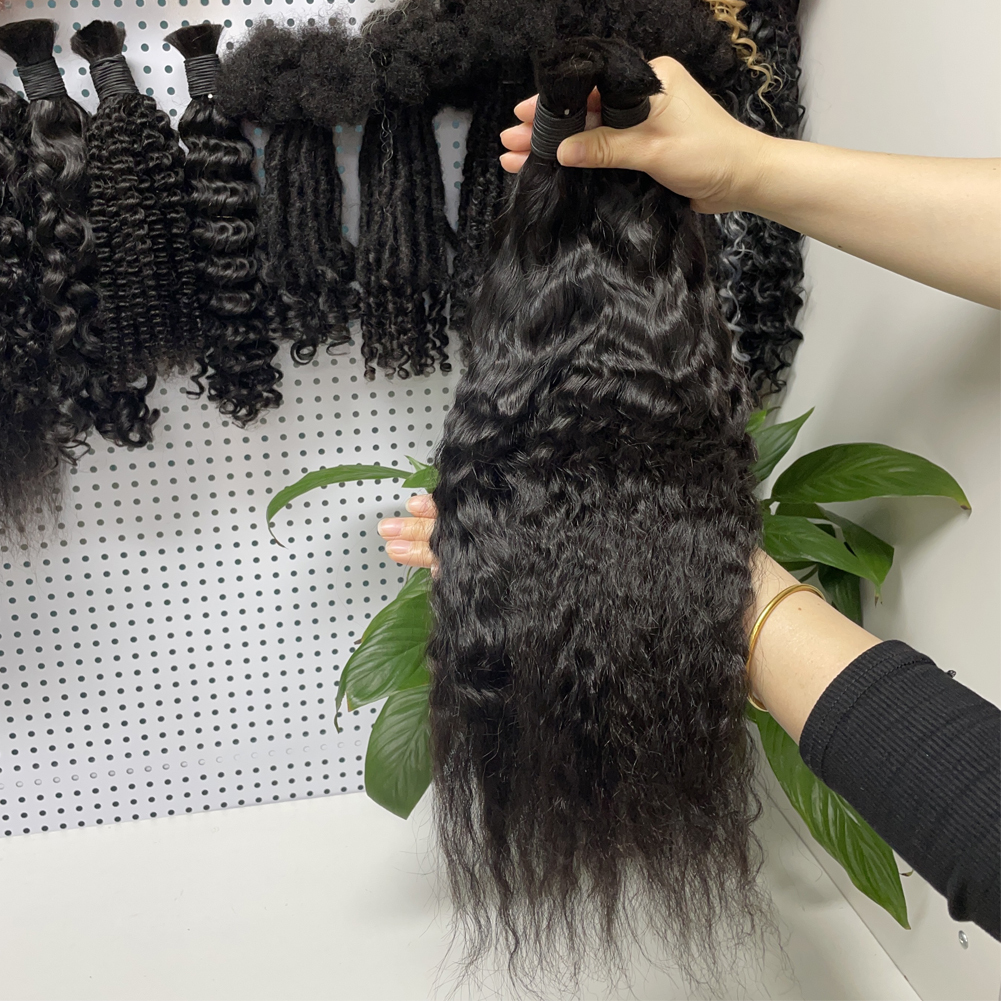
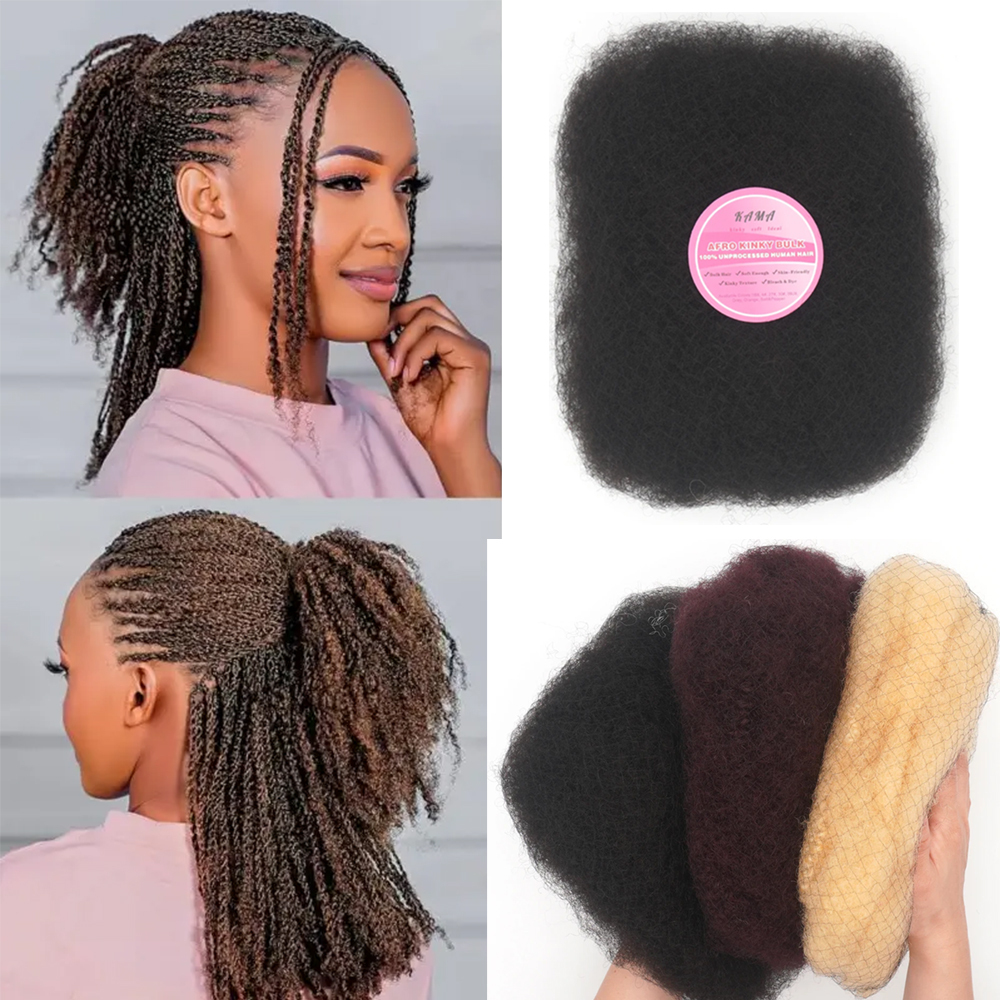
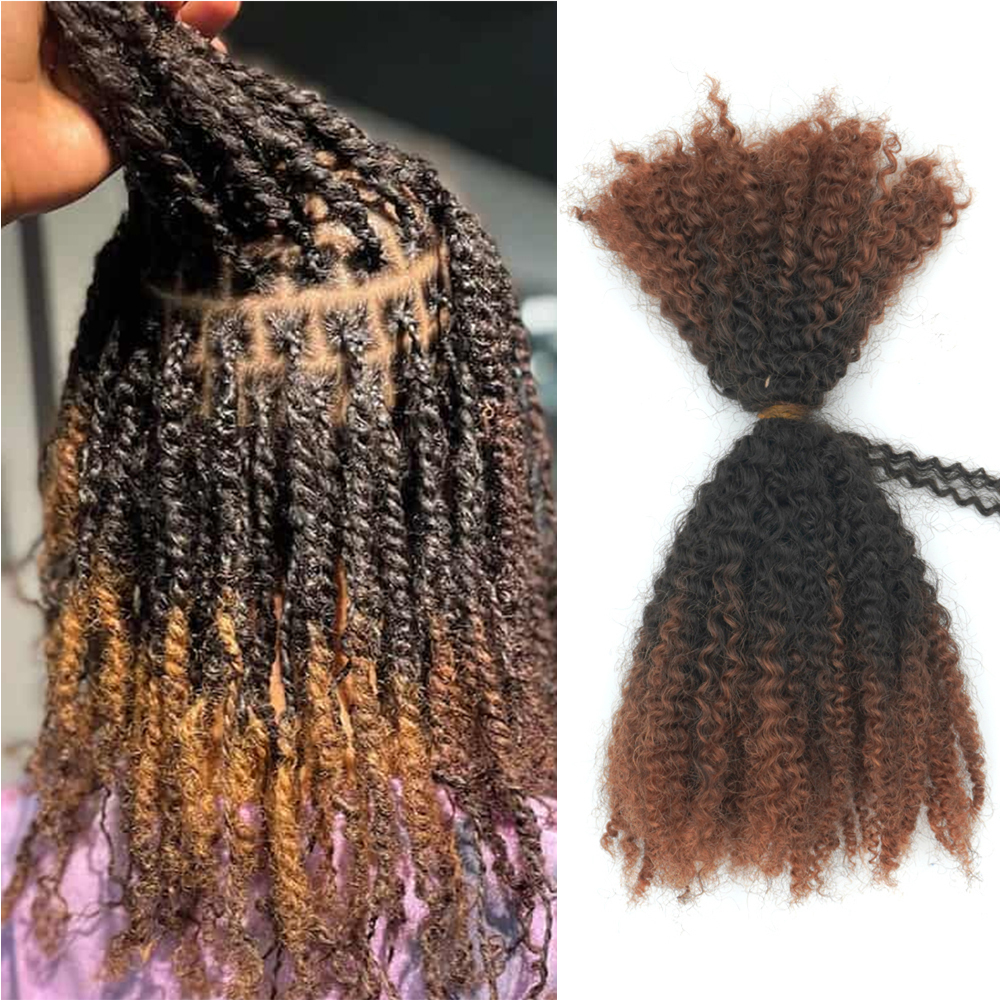
Cuticle alignment is the single property that most reliably predicts how a bulk hair line will behave on a client. It is also the property most often asserted and least often verified. The good news is that alignment can be measured at the bench in a few minutes, before any material reaches a head.
1. Why Alignment Decides Tangle Rate
Human hair strands are covered in overlapping cuticle scales that all point in the same direction, from root to tip. When a batch is aligned, neighbouring strands slide against each other with the grain and the surface friction stays low. When a batch is mixed - either because the strands were cut from inverted bundles or because the cuticle was stripped in processing - scales catch against each other in both directions.
That friction does not distribute evenly. It concentrates at the point where the extension meets the client's own hair, which is exactly where breakage and matting become visible first. A misaligned batch rarely fails in the middle of a bundle; it fails at the root junction.
2. The Four-Test Framework
Run the tests in this order and record each result against the batch reference. The tests are cheap, they take minutes, and they are reproducible enough to compare one supplier against another.
- Direction test. Take a single strand and draw it between finger and thumb root to tip, then tip to root. With the grain the strand should feel smooth; against it, noticeably rougher. Repeat across strands drawn from different positions in the pack. Mixed results mean the batch is not consistently aligned.
- Friction test. Hold two strands together and draw them against each other in both directions. Aligned fibre slides; misaligned fibre grabs and forms small knots at the contact point.
- Wash test. Wash a small sample through a normal cycle and observe how it behaves while wet. Aligned fibre stays loose and separates easily. Stripped or coated fibre clumps.
- Wet comb load. Comb a wet sample from tip to root and note the resistance. This is the closest bench proxy for what a stylist will experience during installation and, more importantly, during the client's first wash.
3. Reading the Results
A batch that passes all four tests is behaving as an aligned product should, regardless of the vocabulary on the listing. A batch that passes direction but fails the wash and wet comb tests is usually a processed or coated product where alignment survives in the dry state but the coating breaks down once wet - a common profile in cheaper material, and one that predicts early tangling complaints from clients.
A batch that fails the direction test outright is not aligned at all. That is useful to know before installation rather than after, because it changes which services the material is suitable for.
4. Turning Grades Into a Purchasing Rule
The output of the framework is not a score, it is a decision rule. Aligned material goes to long-wear installations, colour work and clients who expect to keep the style for months. Material that partially fails is still usable in short-cycle styles where the installation is replaced before alignment-related failure becomes visible.
What the framework prevents is paying aligned prices for unaligned material, and promising a client longevity the batch cannot deliver. Both of those are expensive in ways the invoice never shows.
The Cuticle Verification Bench Suite
Raw, remy and colour-processed bulk side by side, so alignment claims can be compared under identical test conditions rather than taken on trust.