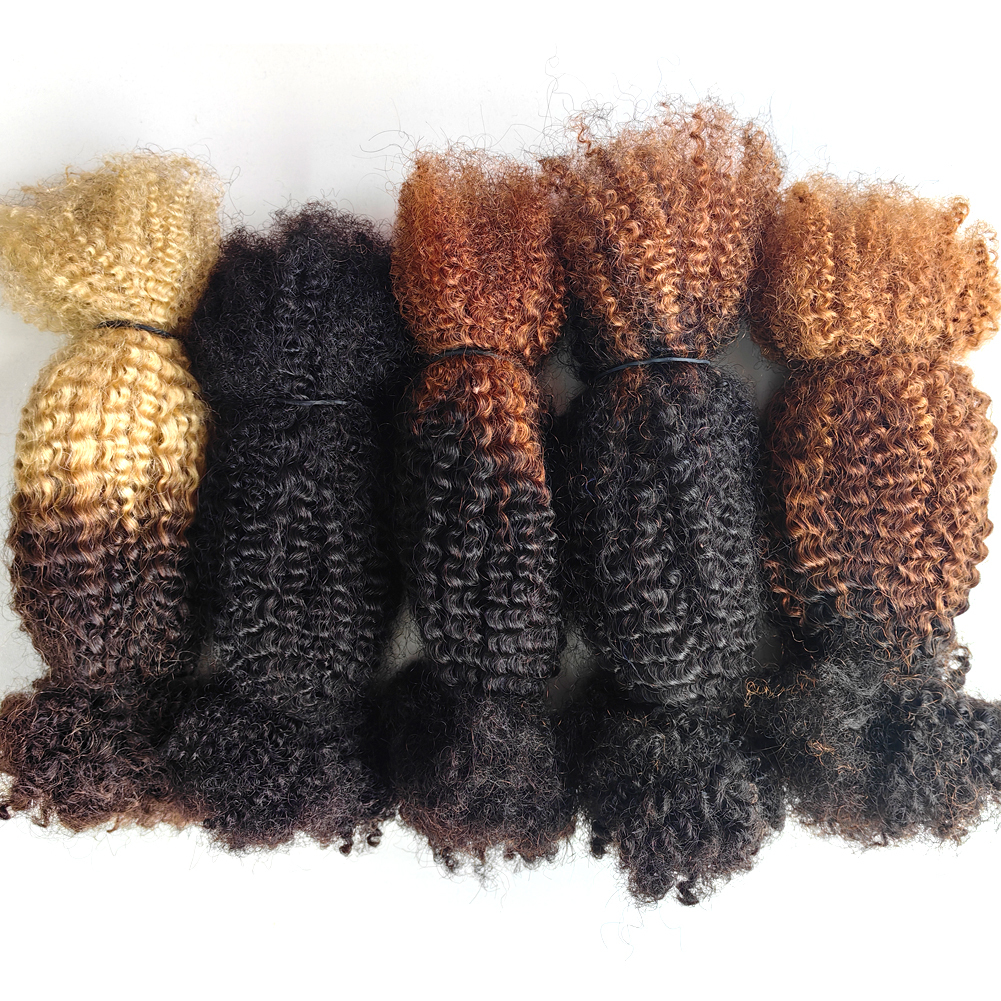
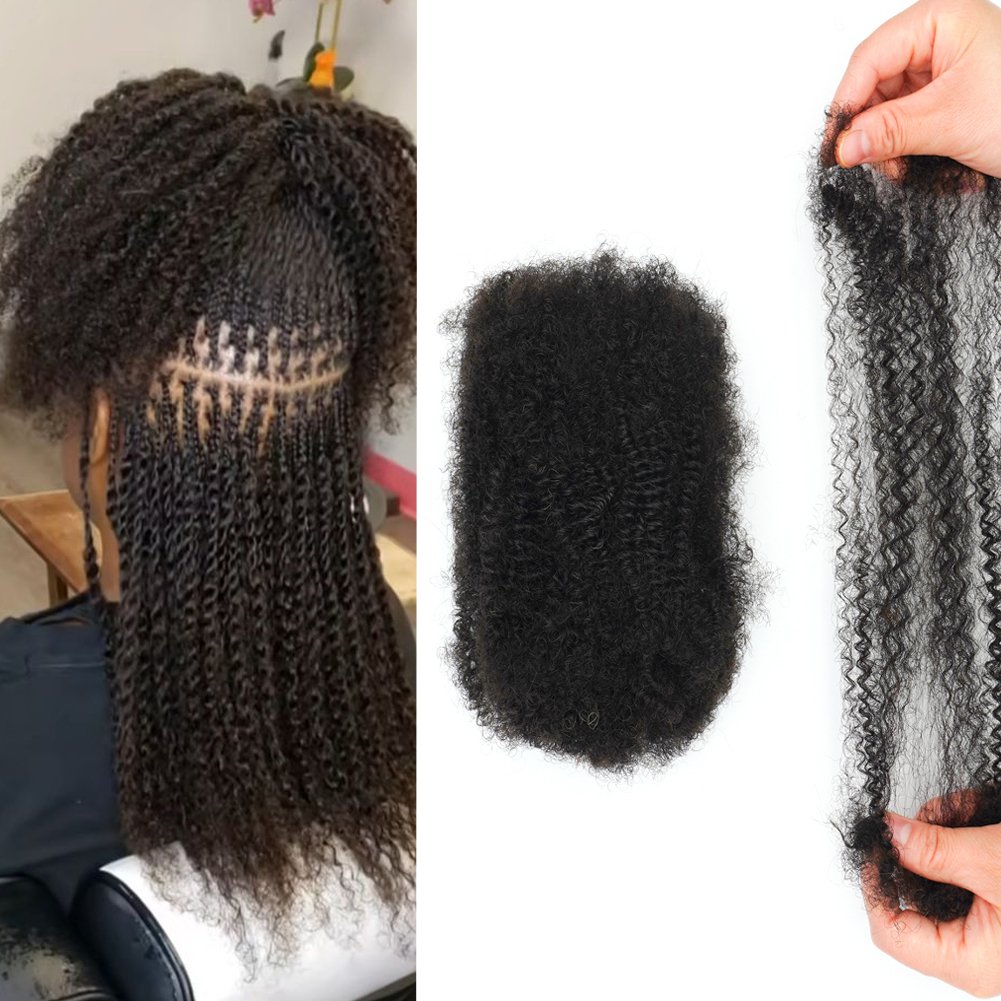
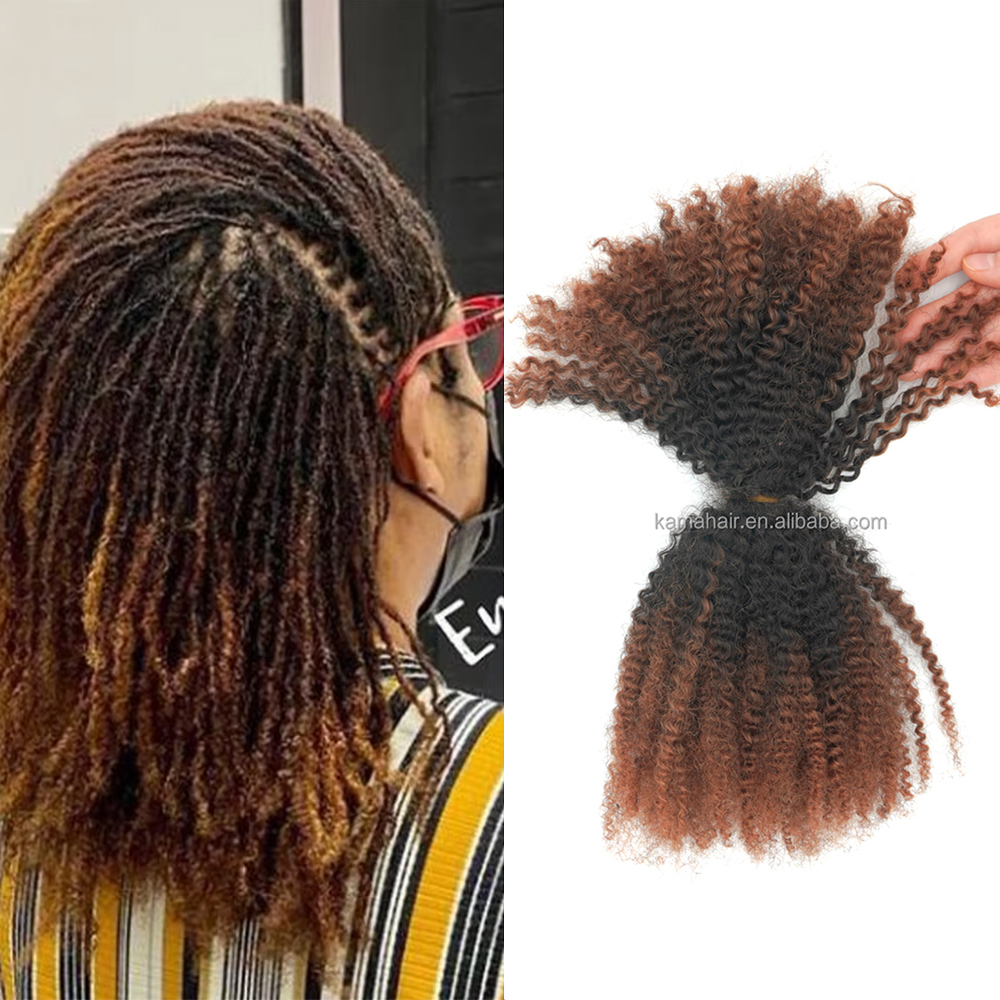
Colour matching gets all the attention, but curl matching is what determines whether an installation looks like hair or looks like extensions. A perfectly colour-matched bundle in the wrong curl family will still read as a foreign object at the root.
1. Why Curl Match Beats Colour Match
Clients rarely complain about a shade being off by half a level. They complain that the extensions do not sit with their own hair - that the new growth looks separated, that the texture reads as stiff, or that the whole head has two distinct personalities. Nearly every one of those complaints traces back to curl pattern and density mismatch, not colour.
2. Reading the Client's Pattern Before You Order
Work from the client's own growth pattern in the zone where the extensions will sit, not from photographs taken after styling:
- 4A: defined springy coil, visible curl clumping, comparatively softer feel. Extensions that are too coarse will sit heavier than the natural hair and show a hard line at the root.
- 4B: tighter, less defined zig-zag pattern with more natural volume and less shrinkage definition. This family blends with most afro kinky bulk without much adjustment.
- 4C: tightest coil, highest density, most shrinkage. This texture needs bulk with genuine body - thin or over-processed material disappears next to it.
3. The Compatibility Matrix in Practice
The workable pairings are narrower than most ordering pages suggest:
- Afro kinky curly bulk is the default bridge for 4B-4C clients. It carries enough coil definition to sit beside natural shrinkage without flattening.
- Pre-stretched afro kinky bulk is the transition tool. Because the stretch is already taken out, it sits flatter at the root and reduces the bulk bulge where the extension meets new growth - useful on finer hairlines and around the perimeter.
- 4C bulk with custom colour options is the density play. On high-density 4C clients, under-sized material cannot hold the installation's visual weight.
4. Test Before You Install
Before committing a full order, test a small section: anchor one or two strands, mist with water, and let them dry naturally. Then check three things - whether the extension coils at a similar rate to the surrounding hair, whether the density reads consistent in daylight, and whether the root junction stays visually quiet after drying. If any of the three fails on a two-strand test, it will fail across a full head.
Keep a small reference set of the curl families you use most, labelled by gauge and pattern. It shortens consultations, reduces ordering errors, and gives you a physical answer when a client asks why one bulk looks different from another.
The Curl Pattern Matching Bulk Suite
Afro kinky, pre-stretched and 4C bulk formats in matched curl families, selected so extensions merge with 4A, 4B and 4C growth patterns.